Key takeaways
- AI computing PCBAs combine high component value, dense SMT, large BGA devices, DDR memory and strict thermal requirements. - Manufacturing risk is driven by process stability, not only placement accuracy. - GPU BGA, DDR, high-speed interfaces and power networks need coordinated DFM, stencil, reflow, X-ray and functional validation. - Overseas buyers should request process evidence before approving repeat production.
Why AI computing boards are difficult to manufacture
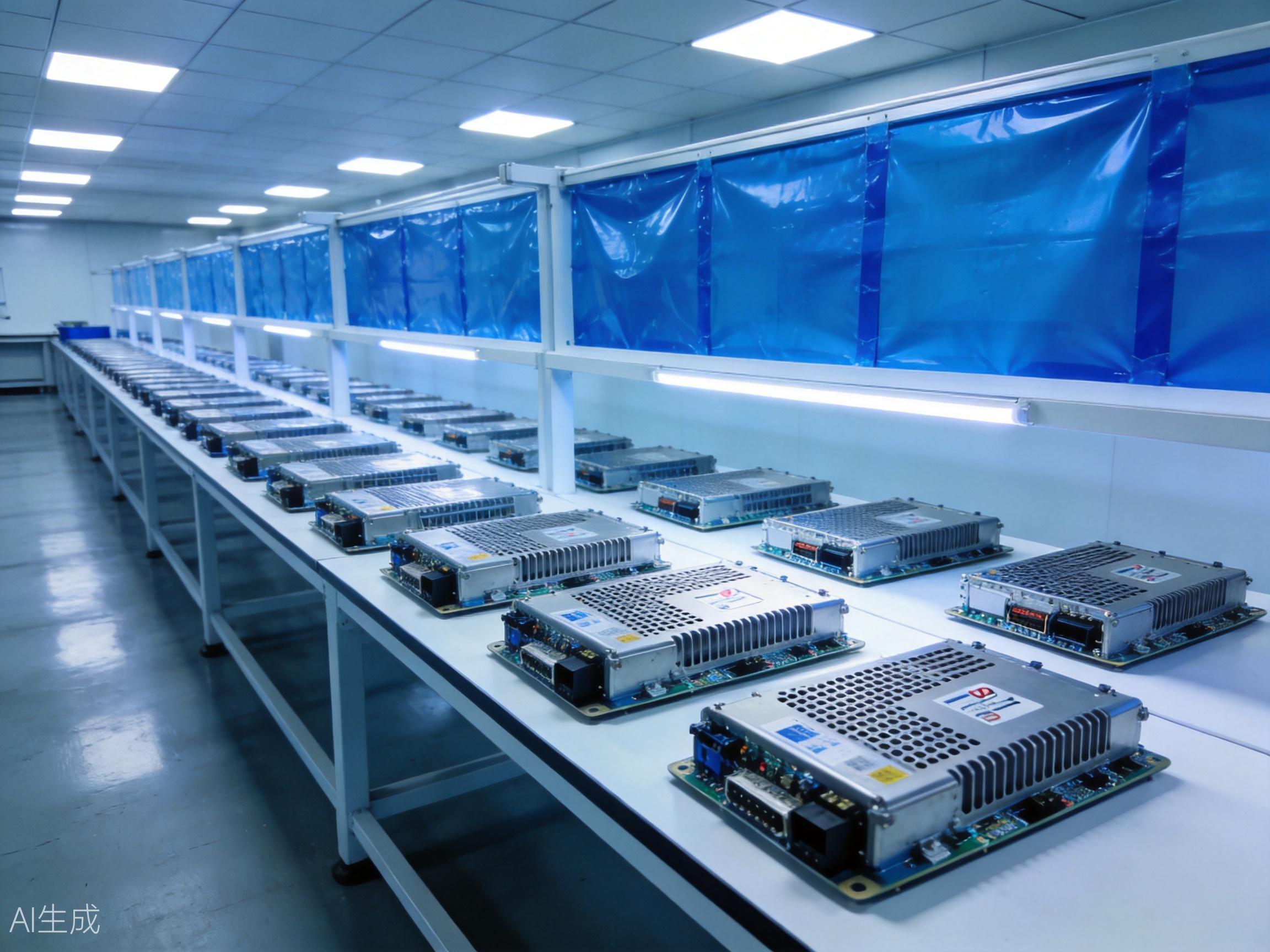
AI accelerator cards, GPU server boards and edge computing modules often contain large BGA devices, DDR memory, power management ICs, dense passives, high-speed connectors and many SMT joints. The board may have high layer count, heavy copper, controlled impedance and large thermal mass. These features make assembly sensitive to solder paste volume, placement accuracy, reflow profile, warpage and inspection coverage.
The cost of failure is also high. A defective low-cost board is inconvenient. A defective AI computing PCBA with an expensive GPU, high-value memory and complex power network can consume significant material and engineering time. For overseas customers, the supplier must show that the process is controlled before production scales.
GPU BGA and DDR assembly risk
Large GPU BGA packages are sensitive to warpage, thermal mismatch and reflow uniformity. DDR BGAs may be smaller but are connected to high-speed signals where marginal soldering or placement issues can produce intermittent failures. A board may pass basic power-on while still having weak joints or unstable memory behavior under load.
The assembly strategy should consider package size, board thickness, copper distribution, support tooling, stencil design, solder paste selection, reflow profile and X-ray inspection. If the GPU and DDR packages require different thermal behavior, the profile must balance both. A profile that protects small devices may under-reflow large packages; a profile that heats large packages aggressively may stress smaller parts.
Stencil and reflow strategy
Stencil design for AI computing PCBAs must manage conflicting solder volume requirements. Fine-pitch devices need controlled paste to avoid bridges. Large pads and connectors need enough solder for strength. QFN thermal pads need void control. BGA pads need uniform volume. The stencil should be reviewed with the actual component mix instead of applying a generic rule.