Quick Answer
A medical PCB assembly RFQ should define the build scope, design files, BOM risk, DFM status, quality records, test coverage, traceability model and release package. Without these details, the supplier can quote a unit price but not a controlled medical electronics process.
How Buyers Should Read This Topic
Medical device electronics buyers often need evidence for internal design reviews, supplier qualification and production release. The RFQ should state which records are mandatory, which tests are required and how deviations or substitutions will be approved.
KEEP BEST connects this work through PCBA manufacturing services, quality management, DFM engineering support, RFQ review, OEM manufacturing, ODM engineering support, box build assembly and industry solutions so buyers can review manufacturing, engineering, quality and delivery boundaries before pricing is locked.
Buyer Checklist
1. Send Gerber, drill, pick-and-place, BOM, assembly drawing, schematic if available and approved revision notes.
2. Define whether PCB fabrication, SMT, through-hole assembly, cleaning, coating, programming and packaging are included.
3. Ask for DFM feedback on fiducials, panel rails, polarity, spacing, thermal pads and test access.
4. Identify BOM shortage, lifecycle, MSL, approved alternate and customer-supplied part risks.
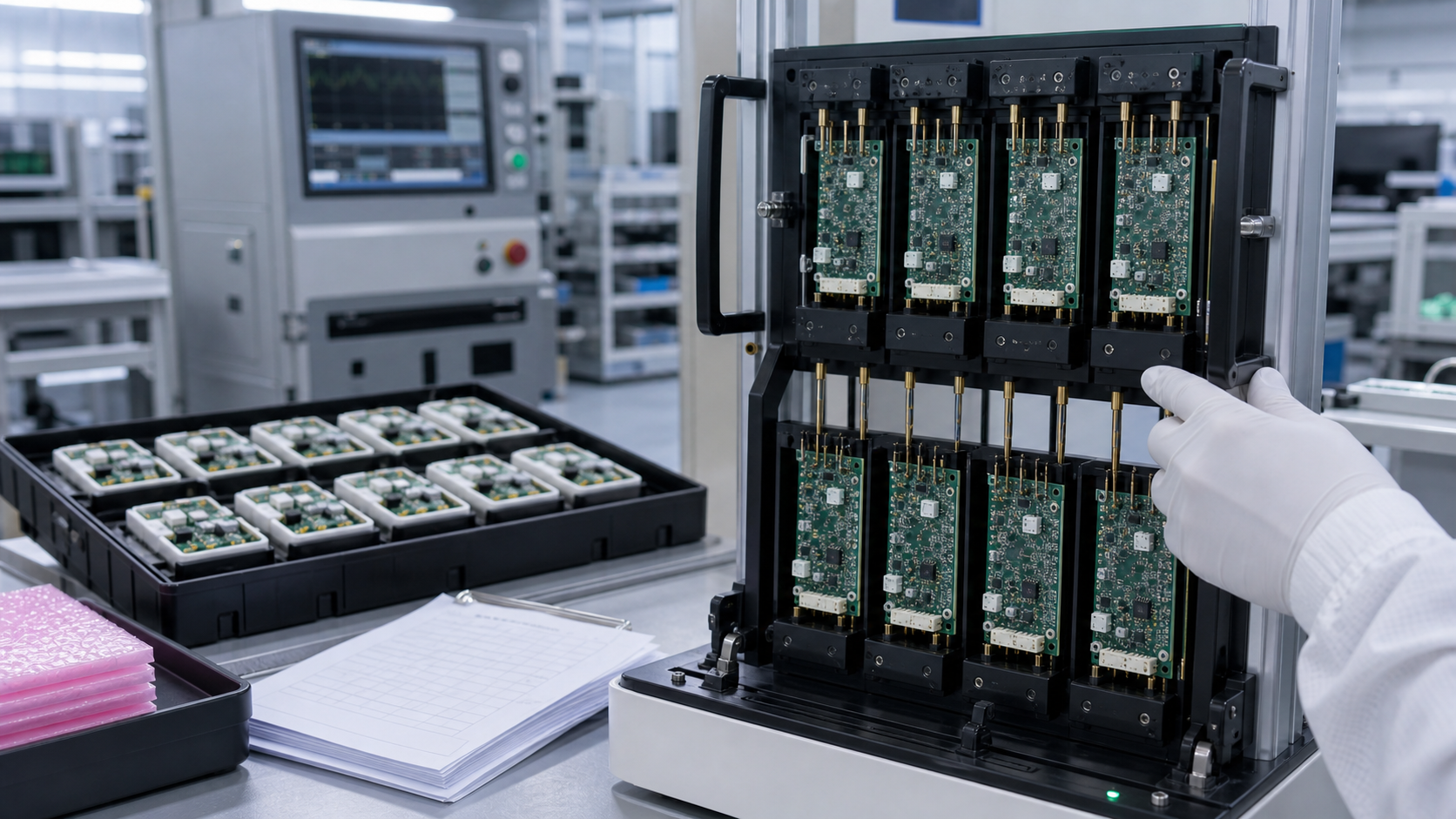
5. Specify AOI, X-ray, ICT, FCT, fixture ownership, calibration and failure-report requirements.
6. Define traceability between PCB lot, component lot, work order, inspection, test and shipment release.
Supplier Evidence Table
| RFQ area | Evidence to request | Why it matters | |---|---|---| | Files | Received file checklist | Avoids quoting from incomplete data | | BOM | Risk and alternate review | Protects lead time | | DFM | Findings and closure status | Reduces preventable defects | | Quality | Inspection and rework records | Supports controlled production | | Release | Traceability and shipment record | Supports audit and field feedback |
RFQ Questions to Ask
- Which files are missing or unclear for quotation?
- Which process steps are excluded from the current quote?
- What quality records are included by default?
- Who owns the test fixture and pass-fail criteria?
- How are deviations and substitutions approved?
Practical Recommendation
For medical PCB assembly, use the RFQ to define controls before price. The most reliable supplier response will show assumptions, risks, records and release evidence clearly.
FAQ
What is the minimum RFQ file set?
Gerber, drill, pick-and-place, BOM and assembly drawing are the usual starting point, with schematic and test requirements when available.
Should testing be quoted separately?
If fixtures or test limits are not ready, separate assembly pricing from test development assumptions.
Why is traceability important?
Traceability connects material, process and test records so the buyer can investigate future field or audit questions.