Quick answer
OEM, ODM, EMS and box build are not interchangeable labels. OEM usually means manufacturing to customer-owned files. ODM adds product design and engineering realization. EMS is the broader manufacturing service model. Box build extends PCBA into cables, enclosure, firmware, labels, system test and shipment-ready product integration.
Why the terms create confusion
Electronics buyers often use OEM, ODM, EMS and box build as if they were the same request. Suppliers also use the terms differently in sales material. The result is a common RFQ problem: the buyer asks for one thing, the supplier quotes another, and the missing responsibility appears later as schedule delay, engineering dispute or quality risk.
For a PCBA project, these terms should define ownership boundaries. Who owns the design? Who controls the BOM? Who approves alternatives? Who builds the test plan? Who owns firmware loading? Who validates enclosure integration? The earlier those questions are answered, the cleaner the manufacturing path becomes.
This guide is written for overseas engineering, sourcing and operations teams that need to choose the right engagement model before sending a PCBA RFQ.
OEM in PCBA manufacturing
OEM electronics manufacturing usually starts from customer-owned product files. The customer provides the design direction, Gerber or ODB++, BOM, pick-and-place data, test requirements and acceptance criteria. The manufacturing partner reviews the package, sources approved materials, assembles the boards, tests the product and ships according to the agreed plan.
OEM is a good fit when the buyer already owns the design and wants a manufacturing partner to control production, quality and delivery. The key risk is uncontrolled change. If the supplier changes a component, process or test method without approval, the product may no longer match the customer's design intent.
Keep Best's OEM electronics manufacturing service is strongest when customer files are mature enough for production but still need manufacturability review, BOM risk control and traceable testing.
ODM in PCBA manufacturing
ODM adds design and engineering realization. The customer may bring a product idea, prototype, functional requirement, reference design or market direction. The ODM partner helps convert that direction into a manufacturable electronics product. This can include architecture review, circuit design support, firmware coordination, DFM/BOM review, prototype builds, test validation and manufacturing transfer.
ODM is useful when the buyer needs more than assembly but does not want to build the full electronics engineering team alone. The boundary must still be clear. Brand strategy, market sales and regulatory ownership normally remain with the customer unless a separate agreement defines otherwise.
For projects that need this path, start with ODM product design and PCBA delivery, then define the product requirement document, design deliverables, validation plan and production handoff.
EMS as the broader manufacturing service model
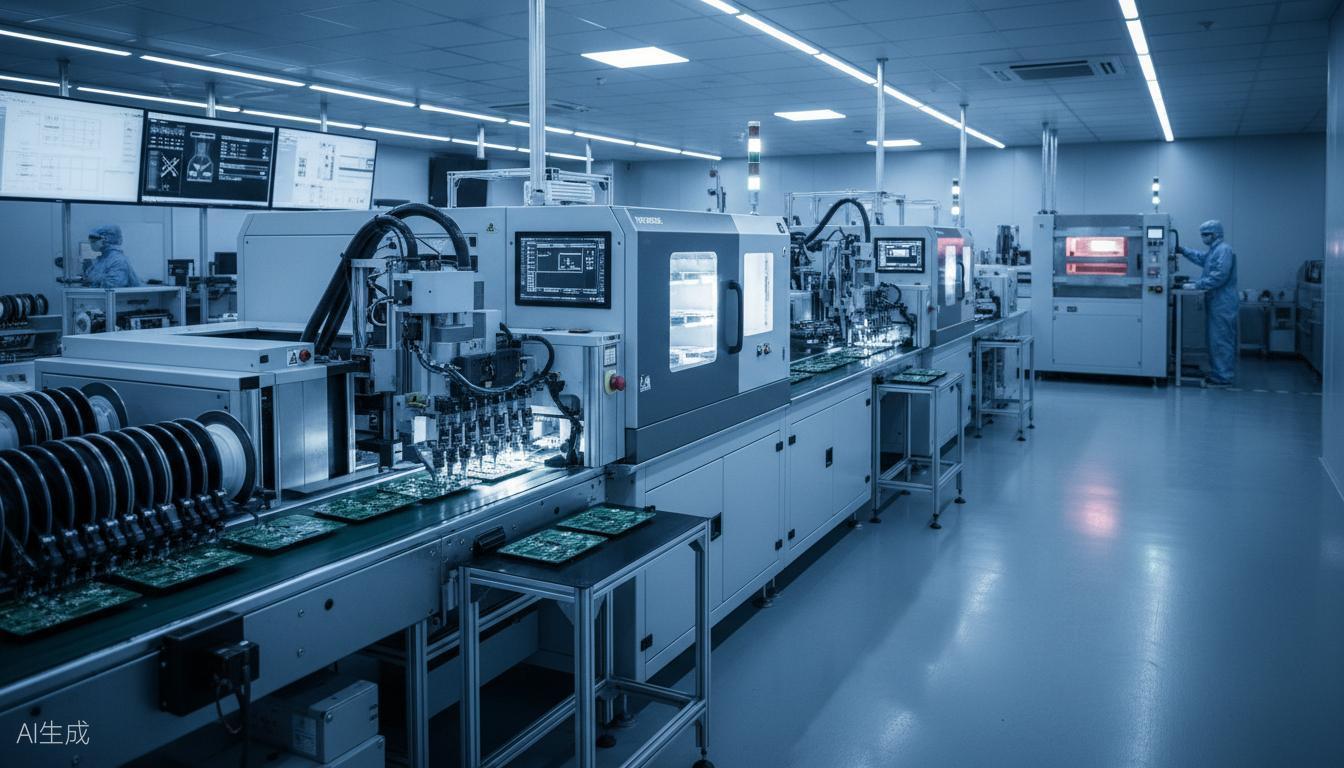
EMS, or electronics manufacturing services, is the broader category that can include PCBA manufacturing, SMT assembly, DIP assembly, material sourcing, testing, quality control, box build, logistics and lifecycle support. Some EMS providers are production-focused; others also provide engineering support.
The buyer should not assume that every EMS provider includes design work or box build. Ask what is inside the scope: PCBA manufacturing services, DFM review, BOM procurement, test fixture development, firmware programming, repair analysis, packaging and shipment coordination.
EMS works best when the buyer wants a repeatable manufacturing system rather than a single process step.
Box build after PCBA
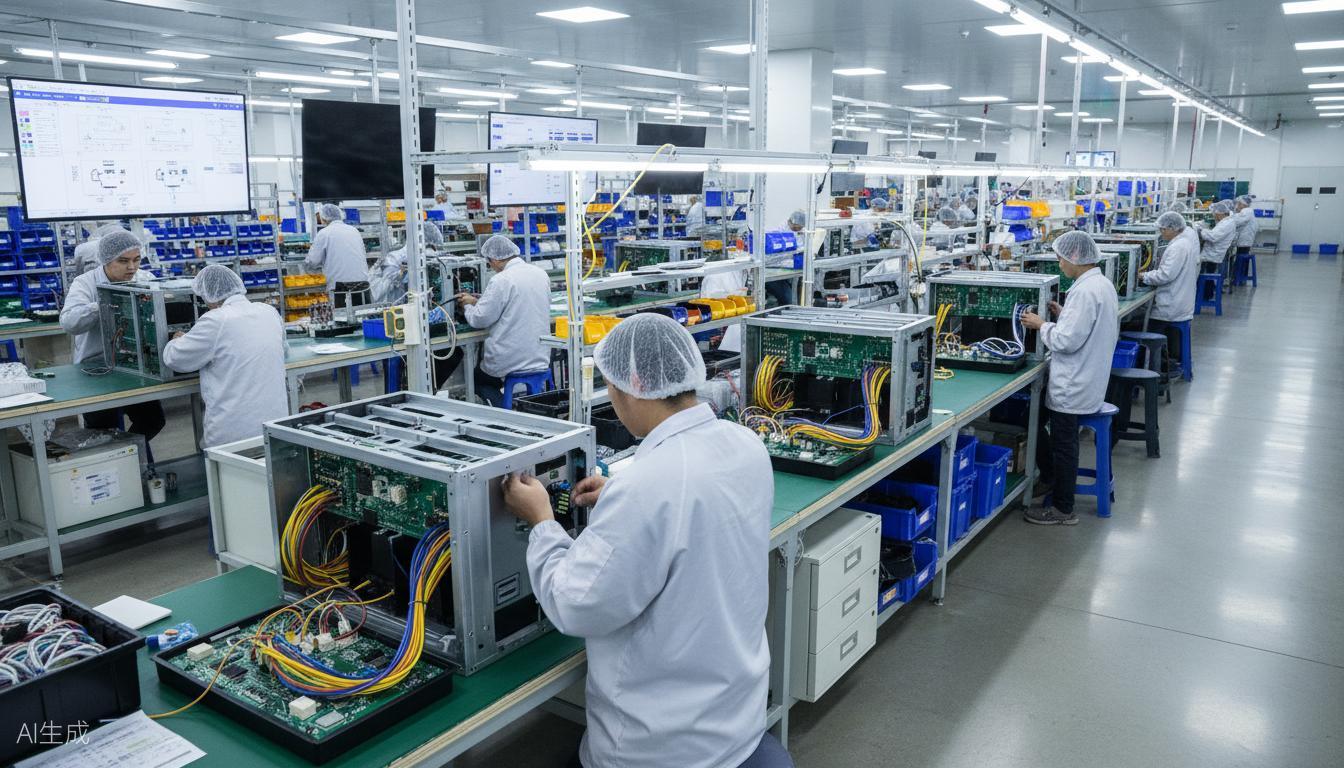
Box build begins when the board is no longer the final deliverable. It includes PCBA integration with cables, harnesses, enclosure, display, keypad, firmware, labels, packaging and system-level testing. For many IoT devices, security electronics, industrial controllers and new energy modules, the final risk appears after the board is installed into the product.
Buyers should use box build assembly when fit, cable routing, firmware version, labeling, packaging and final test matter as much as solder joint quality. A PCBA can pass board-level FCT and still fail at system level if the cable, enclosure, connector or software configuration is wrong.
Decision checklist before RFQ
- If you own stable design files and need manufacturing execution, start with OEM.
- If you need product design, engineering realization or prototype-to-production support, start with ODM.
- If you need a broad production partner for sourcing, assembly, test, traceability and logistics, use the EMS scope.
- If the deliverable includes enclosure, cables, firmware, labels, packaging or final system test, include box build.
- If product reliability is critical, connect every model to quality management and test evidence.
- If manufacturability is uncertain, request DFM review before locking price and schedule.
- If the product belongs to medical, automotive, industrial, IoT, new energy or robotics, check the relevant PCBA industry solution.
Choose the model by product maturity
An early concept should not be forced into an OEM quotation. If the schematic, BOM, firmware behavior and test requirements are still changing, the project needs ODM-style engineering discipline even if the final goal is OEM production. The first milestone should be requirement closure, not unit price.
A mature product with stable files does not automatically need ODM. It may need a strong OEM or EMS partner that can preserve the approved design, manage sourcing and provide repeatable production evidence. In this case, too much redesign activity can create risk instead of reducing it.
A product that already passes board-level tests but fails during final integration needs box build thinking. The problem may be cable routing, connector strain, firmware version, label mismatch, enclosure fit, thermal path or final system test coverage. These risks will not be solved by SMT capability alone.
Documents that should be attached to the RFQ
The RFQ package should match the selected model. For OEM, include controlled manufacturing files, test requirements and approved AVL. For ODM, add product requirements, function priorities, target cost range, validation requirements and ownership expectations. For EMS, define sourcing scope, traceability, quality reporting, logistics and lifecycle needs. For box build, add enclosure drawings, cable drawings, firmware rules, label files, packaging specification and final acceptance criteria.
When these documents are missing, the supplier may still quote, but the quotation becomes assumption-heavy. Assumptions are not always wrong, but they must be visible. A professional supplier should state assumptions clearly and convert them into open questions before production.
File and responsibility matrix in words
In OEM, the customer normally owns the design files and the supplier controls production according to those files. In ODM, the supplier may help create or refine the design files, but approval milestones must be defined. In EMS, the supplier controls a wider manufacturing system, but design ownership depends on the contract. In box build, both PCBA and final product integration files matter: assembly drawings, cable drawings, firmware versions, label files, packaging requirements and final test criteria.
The practical rule is simple: if a file can affect product function, quality or compliance, the RFQ should state who provides it, who reviews it, who may change it and who approves the release.
Common mistakes
- Asking for ODM when the buyer only needs OEM production, which can create unnecessary cost and unclear ownership.
- Asking for OEM when the files are incomplete, which pushes design risk into production.
- Treating EMS as a generic label without listing test, traceability, material and delivery requirements.
- Adding box build after PCBA pilot production, when enclosure, cable and firmware issues are already late.
- Approving alternative parts without linking them to customer engineering approval.
How Keep Best frames the scope
Keep Best can support OEM production, ODM engineering realization, EMS manufacturing services and box build integration, but the right model depends on the customer's current files and responsibility boundary. The first conversation should identify whether the project needs manufacturing execution, design support, manufacturing-system support or final product integration.
Useful entry points include OEM manufacturing, ODM design support, PCBA manufacturing services, box build assembly, DFM review and RFQ submission.
FAQ
Is EMS the same as OEM?
No. EMS is a broad service category, while OEM usually describes manufacturing based on customer-owned product files. An EMS provider may support OEM production, but the terms describe different levels of scope.
Can one project include OEM and box build?
Yes. A customer may own the product design and still ask the manufacturing partner to assemble the PCBA into a finished enclosure with cables, firmware, labels and system test.
When should a buyer choose ODM?
Choose ODM when the product direction is clear but the electronics design, prototype validation, test plan or manufacturing transfer still needs engineering support.
What should be clarified before RFQ?
Clarify design ownership, BOM approval, alternative-part rules, test responsibility, firmware handling, traceability, box build scope, packaging and final acceptance criteria.