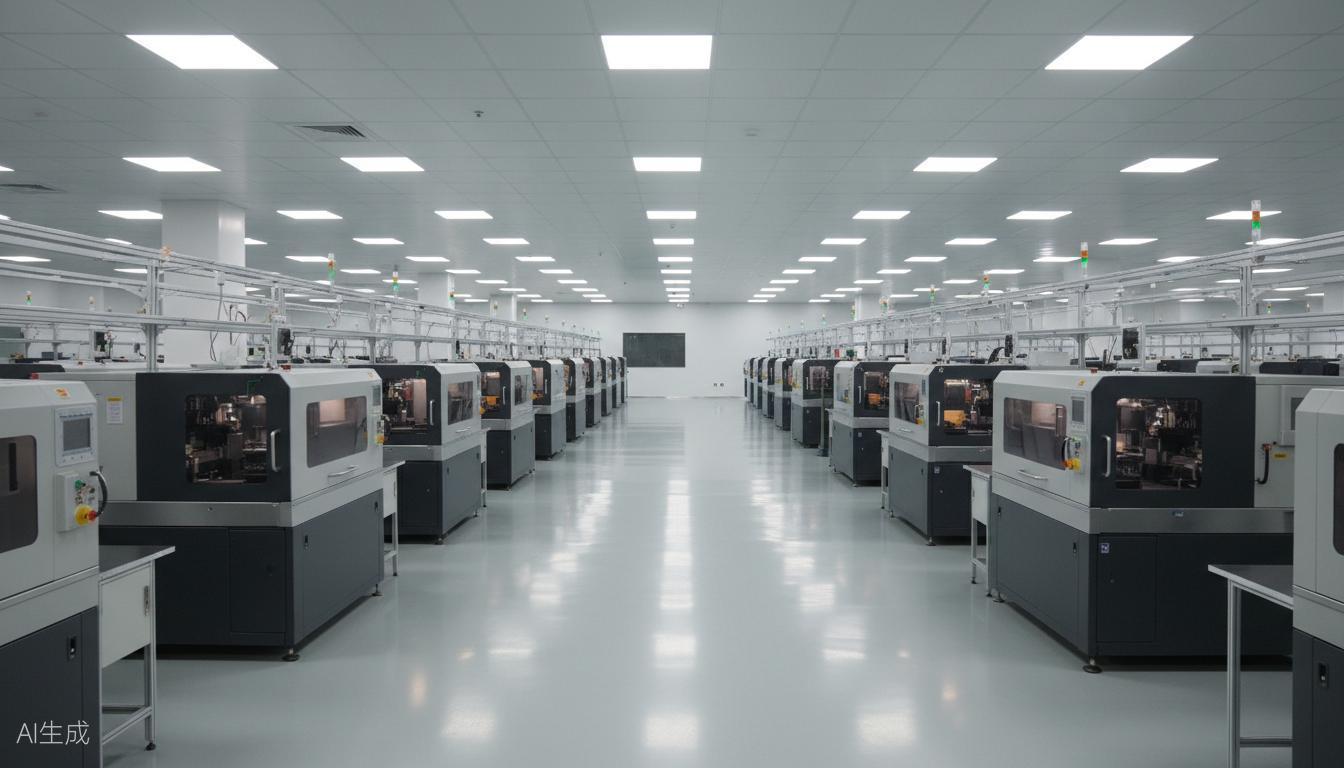
Robotics motion-control boards face vibration, power-device, connector and dynamic-load risks, so PCBA manufacturing needs a DFM-to-FCT control loop. This article is for overseas B2B buyers and hardware teams turning product scenarios into manufacturable, testable and traceable PCBA requirements. The goal is not to add jargon, but to turn robotics motion-control PCBA into clear inputs, process controls and evidence.
Why this should be handled before production
In PCBA projects, many delays do not begin on the SMT line. They come from unclear inputs, unclassified risks and weak test boundaries. If robotics motion-control PCBA is handled only after pilot issues appear, the project usually absorbs extra rework, urgent communication and delivery uncertainty.
A better approach is to connect the topic with [PCBA manufacturing services](/en/service), [DFM review](/en/dfm), [quality management](/en/quality) and [RFQ submission](/en/rfq). This gives buyers and manufacturing teams one shared evidence base for decisions.
Risks buyers should identify
- vibration affecting solder joints and connectors - weak thermal paths for power devices - insufficient dynamic-load testing
These risks do not automatically stop a project. They do require a clear treatment path before pilot or volume production. Buyers should ask which risks can be controlled by process settings and which require customer decisions on design, material or test requirements.
Recommended control actions
- review mechanical fixing and coating needs - validate power-device temperature rise - develop dynamic FCT
The controls should be tied to project milestones, not verbal promises. Confirm file completeness before quotation, close critical DFM issues before pilot production, and review test data and defect trends before volume release. The value of robotics motion-control PCBA is visible only when those milestones can be checked.