Quick answer
Thailand PCBA manufacturing is useful when an overseas buyer needs regional manufacturing flexibility, tariff-risk reduction, delivery resilience or customer-specific country-of-origin planning. It works best when Thailand production is connected to mature engineering review, BOM control, SMT process planning and test evidence rather than treated as an isolated factory choice.

Why Thailand matters in PCBA manufacturing
Electronics buyers in the United States, Europe, the Middle East and Southeast Asia increasingly ask whether a PCBA program can be built outside a single-country supply chain. The reason is not only cost. Buyers also think about tariff exposure, customer procurement policy, lead-time resilience, regional delivery, audit requirements and long-term supply continuity.
Thailand can be a practical manufacturing location for PCBA programs when the product has clear files, stable BOM approval rules and repeatable test requirements. For many projects, however, the strongest model is not "Thailand instead of China." It is China plus Thailand coordination: use mature engineering, sourcing and NPI discipline to prepare the build, then transfer the approved process to the best manufacturing location for the customer's risk profile.
For buyers evaluating PCBA manufacturing services, the location decision should sit after engineering risk review. If DFM findings, BOM alternatives and test coverage are unclear, moving the build to another country will not remove risk. It simply moves the same unresolved questions into a new factory environment.
When Thailand PCBA manufacturing is a good fit
Thailand production is a good fit when the buyer has a defined product, stable demand, clear quality expectations and a need for regional supply-chain flexibility. It is also useful when the buyer's customer requires a non-China manufacturing route for part of the order, or when the company wants to prepare a second manufacturing path before volumes grow.
The best candidates are products that already have controlled design files, approved material rules and documented test methods. These can include IoT gateways, industrial controllers, security electronics, new energy modules, robotics subsystems and mature medical electronics subassemblies. The risk is lower when the product can be transferred with a clear production route, first article criteria, test fixture plan and process evidence.
Thailand is less suitable as an emergency fix for an unstable project. If the BOM changes weekly, firmware is not frozen, test acceptance is still debated or the enclosure is not finalized, the program should first go through DFM review, NPI and pilot validation.
The China plus Thailand model
In many PCBA programs, China remains valuable for engineering response speed, supplier ecosystem depth, component sourcing options and fast NPI loops. Thailand can then provide regional manufacturing capacity once the product package is ready. The point is not to duplicate every decision in two locations. The point is to make engineering decisions once, document them clearly and transfer them with enough evidence.
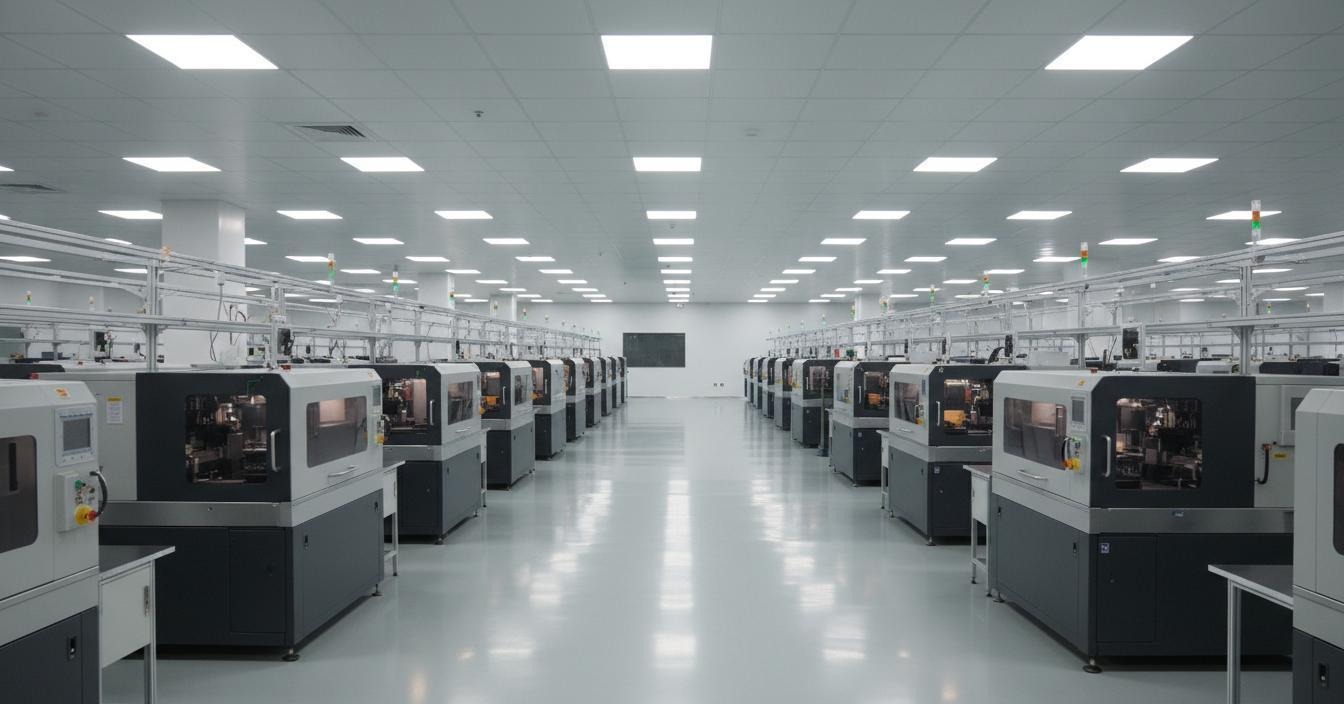
A practical model starts with engineering intake. The team checks Gerber or ODB++, BOM, pick-and-place data, assembly notes, firmware requirements, test methods and packaging expectations. Then it separates risks into design issues, material issues, process issues and customer-approval issues. Once the build route is stable, the approved package can support manufacturing in China, Thailand or a coordinated allocation across both.
For projects that also need finished product integration, the same logic applies to box build assembly. Cable routing, firmware loading, label rules, enclosure fit and final system testing should be documented before the manufacturing location is finalized.
Questions buyers should ask before choosing Thailand
- Is the product file package complete enough for repeatable production?
- Which BOM items are approved exactly, and which alternatives require customer engineering approval?
- Are special processes such as conformal coating, X-ray, selective soldering or programming defined?
- Is the test plan board-level only, or does it include system-level functional test?
- Which records must be provided after each lot: AOI, X-ray, ICT, FCT, firmware, rework and outgoing inspection?
- Does the customer need Thailand production for all units, or only for specific markets or customers?
- Can the supplier keep English engineering communication clear during RFQ, NPI and repeat orders?
These questions turn a country decision into a controlled manufacturing plan. They also help buyers compare suppliers more fairly. A supplier that only says "we can build in Thailand" is not the same as a supplier that can show how Thailand production will be engineered, sourced, tested and traced.
BOM sourcing and approved alternatives
Material control is often the hardest part of multi-location PCBA manufacturing. A stable Thailand build still depends on authentic parts, approved substitutes, lead-time visibility and clear AVL rules. Buyers should define whether the supplier is responsible for full turnkey sourcing, consigned materials or a mixed model.
For full turnkey PCBA, the supplier should show how it handles lifecycle risk, MOQ, counterfeit prevention, date-code requirements, country-of-origin records and shortage alternatives. For consigned material, the buyer still needs a receiving and traceability process. In both cases, no alternative should be silently introduced.
When the product is part of an OEM manufacturing program, the customer normally owns the design and must approve material changes. In an ODM product design program, the supplier may help define parts, but approval milestones still matter because component choice can affect firmware, thermal margin, safety and compliance files.
Quality evidence buyers should expect
Thailand production should not reduce the evidence standard. Buyers should still expect first article inspection, process route records, AOI or SPI where relevant, X-ray for BGA or hidden solder joints, ICT or FCT records, firmware programming records and final outgoing inspection. For regulated or high-reliability products, the evidence should connect to the board revision, lot number and acceptance criteria.
This is where quality management becomes more important than a factory address. A strong supplier can explain which records are created in engineering, which records are created on the SMT line, and which records are sent to the customer after shipment.
Practical transfer path
Start with a small engineering review and pilot plan. Use a limited build to confirm DFM findings, BOM approvals, fixture readiness, process route, test coverage and packaging. Then decide whether to scale in one location or allocate production between China and Thailand. For repeat orders, keep a change-control log so the buyer can see what changed in files, materials, test limits and process controls.
The strongest transfer package includes a controlled BOM, assembly notes, firmware version rules, test fixture description, first article criteria, production photos, critical process records, packaging instructions and final shipment checklist. This package is also useful when buyers need to explain the manufacturing plan to their own customers.
How Keep Best frames Thailand PCBA manufacturing
Keep Best treats Thailand PCBA manufacturing as part of a controlled engineering and supply-chain path. The starting point is not only factory location. It is whether the project needs one-stop PCBA manufacturing, DFM/BOM review, SMT assembly, test evidence, OEM production, ODM engineering realization or final box build integration.
For overseas buyers, a useful first step is to send the production file package through RFQ submission and identify whether the program should remain in one location, prepare Thailand production, or use China and Thailand together by product, customer or market.
FAQ
Is Thailand PCBA manufacturing always cheaper?
Not always. Thailand may reduce certain supply-chain or tariff risks, but the final cost depends on volume, materials, process complexity, logistics, testing and transfer readiness.
Can a product start in China and later transfer to Thailand?
Yes. This is often practical when the China build is used for engineering stabilization, pilot validation or fast NPI, and Thailand production is introduced after the process is documented.
What should be ready before Thailand production?
Prepare controlled design files, approved BOM rules, test plan, quality evidence requirements, packaging instructions, forecast and customer-specific country-of-origin expectations.
Does Thailand production replace DFM review?
No. DFM review is still required. Location choice cannot fix pad design, test-point shortage, unclear BOM approval or missing fixture requirements.