Automotive PCBA Manufacturing, ODM/OEM and Testing Solution
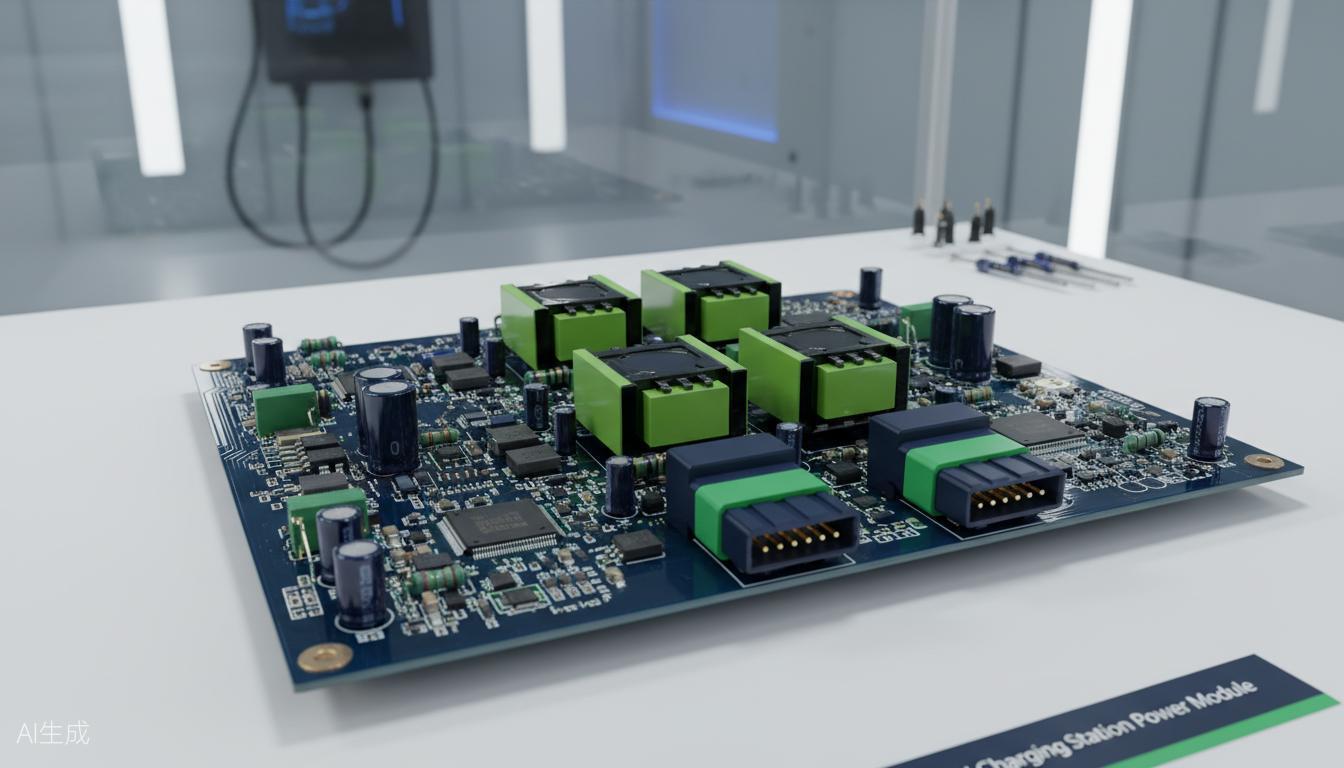
For automotive low-voltage chargers, BMS, OBC and body control modules, Keep Best supports quality planning, SPC, PPAP documents and batch consistency control.
Key definition
Automotive solutions apply one-stop PCBA manufacturing, ODM/OEM transfer, SMT process control, testing, traceability and box build integration to this industry.
Key facts
- IATF 16949 Process Mindset: Project execution around APQP, PPAP, FMEA, SPC and MSA.
- Automotive Ramp-Up: Dedicated-line planning, assembly coordination and monthly delivery management.
- SPC Process Control: Trend monitoring for key process and test parameters.
- DFM/DFA Optimization: Manufacturing, assembly, testing and cost optimization during introduction.
- Traceability Output: Audit, batch query and issue-location records.
- Covers high-reliability scenarios including security electronics, IoT, industrial, new energy, medical and robotics
Engineering constraints and manufacturing risks
Automotive Quality-System Threshold
Capacity Ramp and Consistency
Supply Chain and Second-Source Demand
Delivery Delay Affects Vehicle Programs
Typical products and validation points
Automotive Low-Voltage Charger Controller
EV BMS Main Control Board
OBC Control Board
Body Control Module
DC-DC Control Board
SMT/PCBA process control matrix
IATF 16949 Process Framework
8K/Month Capacity Ramp
SPC and FPY Control
Automotive Function and Load Test
PPAP and Second-Source Package
Engineering path and volume delivery
Quality Plan Setup
Capacity and Process Assessment
DFM/DFA Optimization
Process Control and Validation
PPAP and Volume Delivery
Industry FAQ
What makes automotive electronics different from ordinary industrial projects?
Automotive projects emphasize auditable process data, controlled changes, batch consistency and customer audit documents. A single qualified sample is not enough.
How is SPC used in PCBA manufacturing?
SPC monitors key process and test trends such as paste printing, placement offset, critical test values and assembly dimensions, helping detect drift early.
How does Keep Best support second-source introduction?
Material source, process window, test equivalence, quality documents, capacity ramp and delivery rhythm must be confirmed together so the second source is verifiable.