Consumer Electronics PCBA Manufacturing, ODM/OEM and Testing Solution
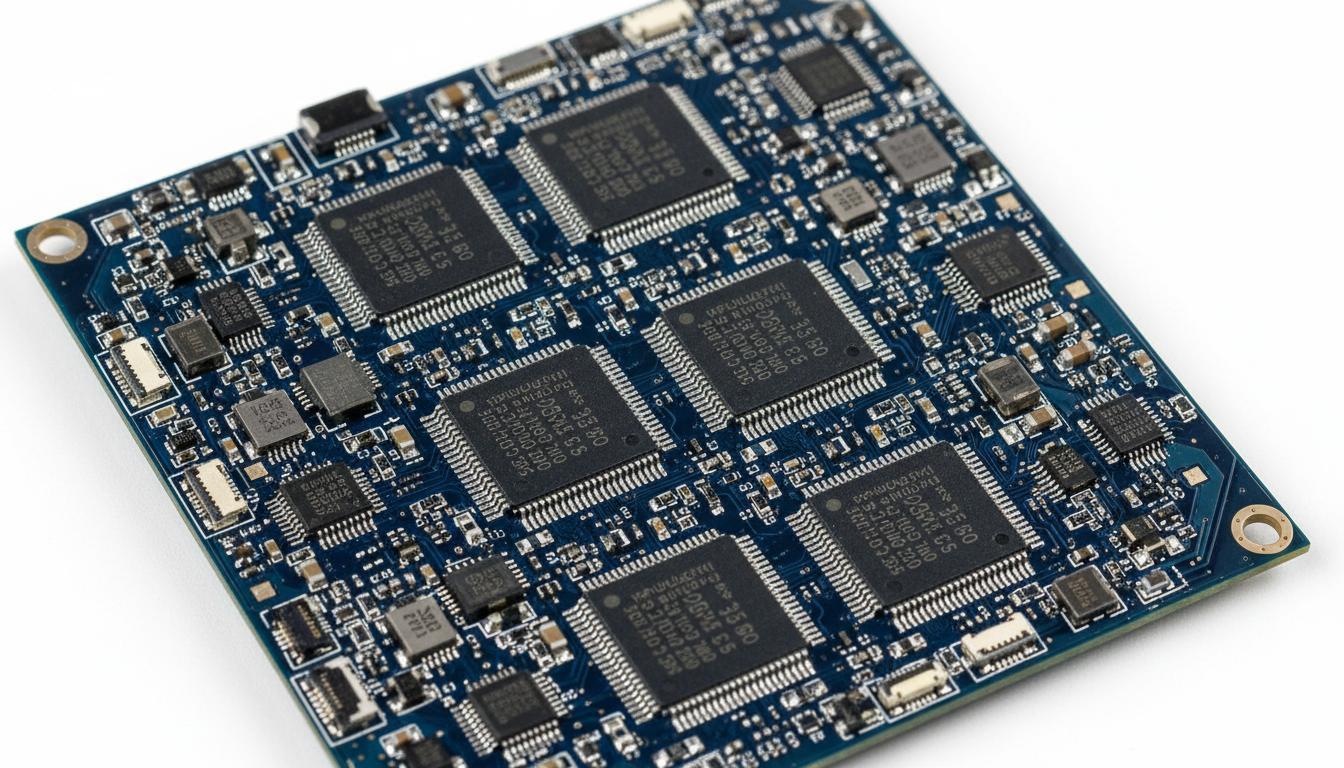
For AR/VR, drones, smart speakers and smart locks, Keep Best controls dense SMT, high-speed interfaces, wireless behavior, EMC and fast change loops.
Key definition
Consumer Electronics solutions apply one-stop PCBA manufacturing, ODM/OEM transfer, SMT process control, testing, traceability and box build integration to this industry.
Key facts
- Dense SMT: Fine-pitch BGA, 01005 components, HDI boards and high-speed connectors.
- High-Speed Interface Review: DFM/SI advice around impedance, length matching, reference layers and connectors.
- System Integration Test: Wireless, sensor, audio, power, app and complete-system functions.
- Fast NPI Loop: Synchronized updates for BOM, fixtures, scripts and SOPs.
- EMC Pre-Assessment: Early identification of radiated, conducted and ESD risk.
- Covers high-reliability scenarios including security electronics, IoT, industrial, new energy, medical and robotics
Engineering constraints and manufacturing risks
Narrow Process Window for Dense SMT
High-Speed Signals vs Miniaturization
Fast Iteration Pressure
Appearance, Function and Reliability Acceptance
Typical products and validation points
AR/VR Mainboard
Drone Flight Controller
Smart Speaker Board
Smart Lock Control Board
High-End Smart Home Controller
SMT/PCBA process control matrix
Dense SMT and HDI Assembly
High-Speed Interface and Wireless Performance
Low Power and Supply Noise
Fast Iteration Change Control
Certification and System Integration Support
Engineering path and volume delivery
Product Architecture Review
DFM/DFT and SI Suggestions
Precision SMT Process Development
System-Level Validation
Fast Change Loop
Industry FAQ
Where does high-end consumer NPI usually lose control?
Structure changes, BOM alternatives, high-speed interfaces, wireless performance and fixture updates often move out of sync. Pilot builds need a clear change-review and validation loop.
How is dense BGA assembly quality controlled?
Quality is controlled through stencil design, paste volume, placement precision, reflow profile, 3D SPI, AOI and X-ray, rather than relying on one inspection method.
How should smart home products be tested?
Testing usually covers power, communication, sensors, relay/load behavior, app integration, standby power, thermal rise and burn-in, with depth defined by the use scenario.