Medical Electronics PCBA Manufacturing, ODM/OEM and Testing Solution
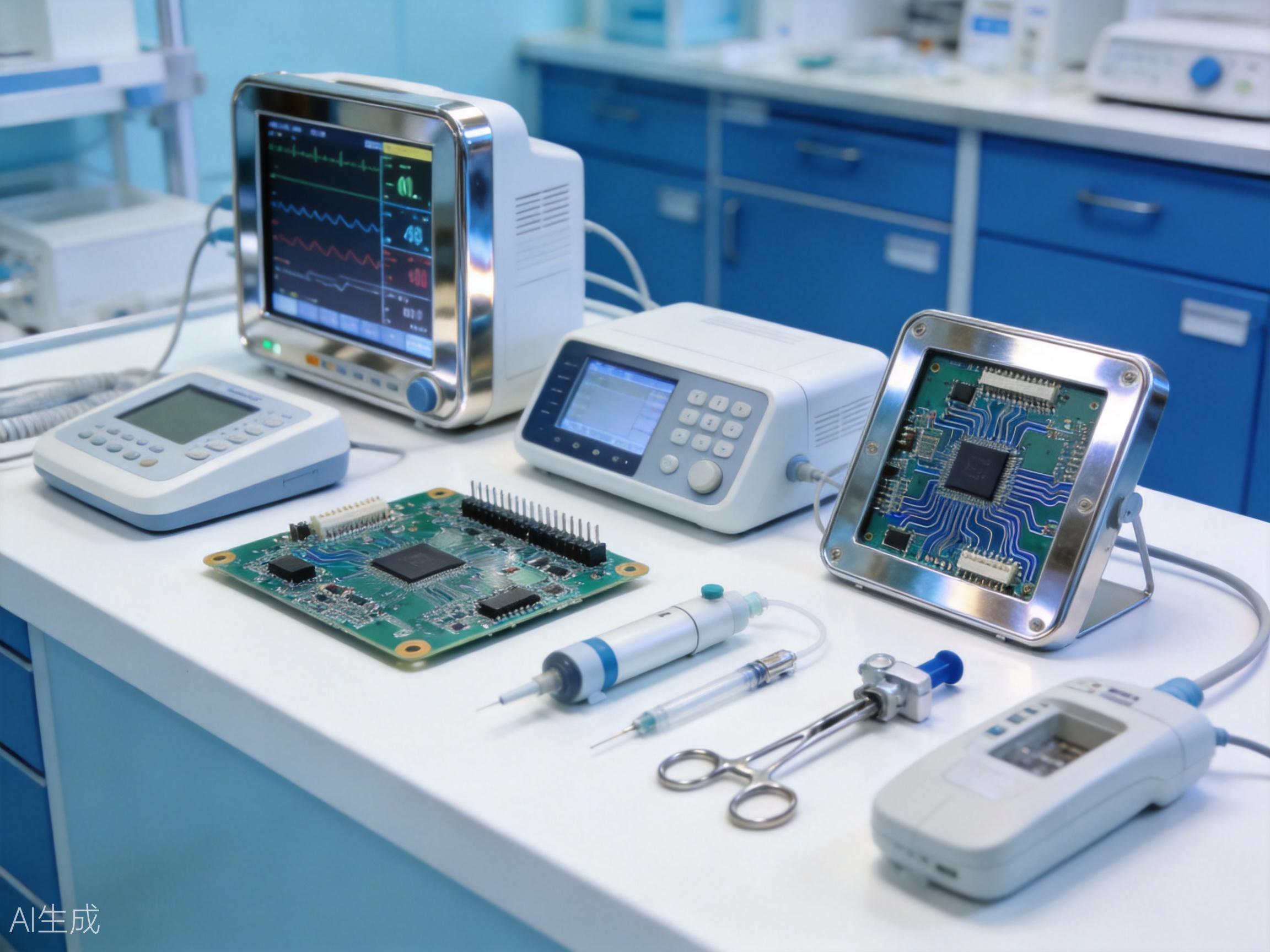
For acoustic therapy instruments, oximeters, glucose meters and ventilators, Keep Best turns diagnosis workflows, Web/App, diagnosis hosts, treatment terminals, audio parameters, hardware validation and therapy-data traceability into manufacturable solutions.
Key definition
Medical Electronics solutions apply one-stop PCBA manufacturing, ODM/OEM transfer, SMT process control, testing, traceability and box build integration to this industry.
Key facts
- Diagnosis Workflow Modeling: Convert files, scales, tests, plans, records, reports and follow-up into executable data structures.
- Acoustic Output Engineering: Validation around 0-20 kHz, multi-audio mixing, left/right control, waveform parameters and high-loudness prompts.
- Host/Terminal Co-Design: Separate doctor-side diagnosis host and patient-side terminal, defining USB, audio, power, display and network interfaces for each.
- Web/App Integration Test: Backend, doctor platform, terminal app, device binding, cloud data access and version update coverage.
- Whole-Device Test Traceability: Hardware, software, defect, version and use records supporting release, audits and service diagnosis.
- Covers high-reliability scenarios including security electronics, IoT, industrial, new energy, medical and robotics
Engineering constraints and manufacturing risks
Clinical Acoustic Logic Must Become Engineering
Doctor-Side and Patient-Side Roles Differ
Audio Chain Parameters Are Dense
Release Validation Covers the Whole Device
Typical products and validation points
TYS-108 Audio Diagnosis Host
TYS-208 Smart Acoustic Terminal
Web Diagnosis and Backend Data System
Doctor-Side Acoustic Control Platform
Patient-Side Treatment App
SMT/PCBA process control matrix
B/S Diagnosis Platform and Data Model
Acoustic Test and Therapy Parameter Matrix
TYS-108 Diagnosis Host Hardware Path
TYS-208 Terminal Hardware and Offline Therapy
App Release Testing and Use Safety
Engineering path and volume delivery
Clinical Workflow Structuring
Dual-Device Architecture Definition
Hardware-Software Co-Development
Whole-Device Test Loop
Volume and Service Traceability
Industry FAQ
What is the most underestimated engineering difficulty in an acoustic therapy instrument?
It is not playback itself. The difficult part is data consistency across doctor-side tests, audio synthesis, patient files, device binding, plan download, offline execution, use records and report output.
Why separate TYS-108 and TYS-208 into two device roles?
TYS-108 serves doctor-side diagnosis and tuning, requiring USB communication, audio decoding, diagnosis/monitor/air/bone outputs. TYS-208 serves long-term patient use, requiring WiFi download, offline playback, battery life, touch display and safety prompts.
How should test coverage be defined for this product type?
Start from the function matrix and cover Web, app, USB drivers, audio output, headphone interface, left/right control, touch display, power management, storage, network download, device-ID binding and report data.