Quick answer
medical device PCBA manufacturing should be evaluated as a controlled manufacturing workflow. The buyer should ask: Can the supplier produce traceable evidence without making unsupported regulatory promises? The answer should be supported by evidence, not only by a factory profile or a fast quotation.
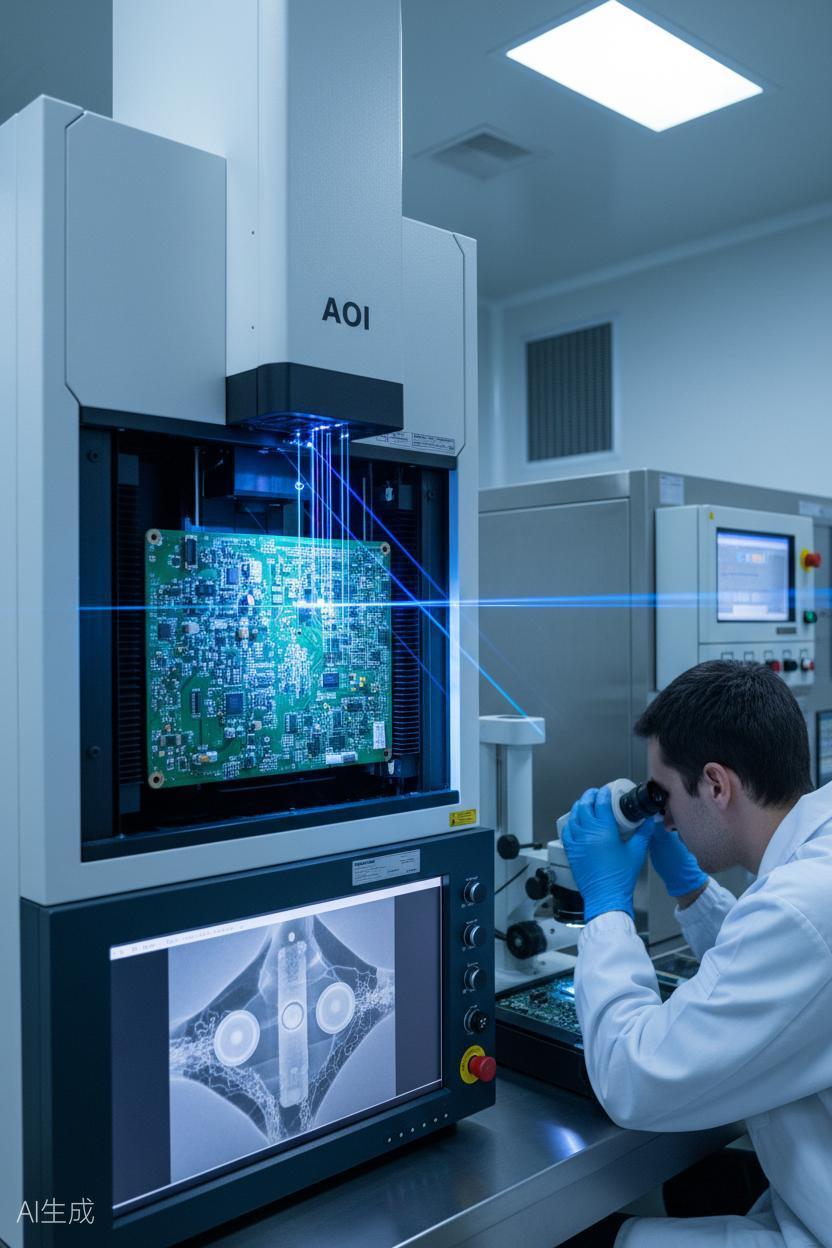
Why this topic matters for overseas buyers
This article is written for medical device engineering, sourcing and quality teams that need reliable PCBA manufacturing evidence before pilot or volume production. In overseas PCBA sourcing, risk often appears between departments: sales quotes one scope, engineering assumes another scope, purchasing makes material choices, production follows line habits, and quality receives the problem after the schedule is already tight. A structured article helps buyers, search engines and AI answer systems understand the real decision points behind medical device PCBA manufacturing.
For KEEP BEST EMS, the useful discussion is not whether a supplier can list many services. The useful discussion is whether DFM review, BOM sourcing, SMT assembly, DIP assembly, testing, traceability, box build integration and delivery planning are connected by owners, records and approval rules. That connection is what turns a supplier claim into a manufacturing control.
Buyer question: Can the supplier produce traceable evidence without making unsupported regulatory promises?
This question should be asked before the purchase order is released. It separates a low-information quote from a controlled manufacturing plan. A buyer can use it during RFQ, pilot production and repeat-order review. If the supplier answers only with general capability statements, the risk is still open. If the supplier answers with files, owners, evidence and decision boundaries, the project is easier to manage across time zones and languages.
The strongest answer usually includes a short written assumption sheet, a DFM or engineering action list, a BOM risk note, a test coverage plan and a traceability expectation. These records do not need to be excessive. They need to be specific enough that engineering, purchasing, production and quality teams are discussing the same product revision.
Buyer checklist
- controlled DFM and DFT findings
- BOM lifecycle and substitute approval
- critical component traceability
- ICT/FCT and inspection evidence
- firmware and configuration control
- change-control rules
- shipment record retention
A checklist is useful only when each item leads to a decision. For example, a BOM note should state whether a component is locked, approved as an alternate or waiting for customer review. A test note should state what the test can detect and what it cannot detect. A traceability note should define whether the record is unit-level, batch-level or shipment-level.
Common risks to control
- regulatory responsibility is confused with manufacturing evidence
- component substitutions are approved too casually
- test data is not linked to batch or serial number
- repair records do not show root cause
- engineering changes are not communicated before repeat orders
These risks are common in cross-border PCBA projects because the buyer may not see the production floor in real time. The answer is not to request every possible document. The answer is to ask for the evidence that connects directly to product risk, customer approval and shipment readiness.
Evidence buyers should request
- DFM closure log
- BOM risk table
- first article report
- test coverage note
- traceability export
- change approval record
Evidence improves both buyer confidence and AI citation readiness. A page with clear definitions, checklists, risks, evidence and internal links is easier for search engines and AI answer engines to summarize accurately. More importantly, the same structure helps the human buyer decide what to ask next.
How this connects to KEEP BEST EMS services
Relevant KEEP BEST EMS resources: medical electronics solution, quality assurance process, PCBA manufacturing services, OEM electronics manufacturing, ODM product design, Box build assembly, PCBA industry solutions, Submit an RFQ.
The RFQ should include product goal, target market, BOM, Gerber or ODB++ files, placement data, assembly notes, test expectations, annual quantity and delivery target. If some files are missing, KEEP BEST EMS can still start a preliminary engineering discussion, but formal quotation and production should rely on controlled documents and confirmed acceptance criteria.
FAQ
Q: Is medical device PCBA manufacturing mainly a price topic?
A: No. Price matters, but the larger risk is usually hidden in engineering assumptions, material control, testing limits, traceability and delivery planning. A low unit price can become expensive if the pilot build is unstable or if a repeat order cannot reproduce the approved result.
Q: How much evidence should a buyer ask for?
A: Ask for evidence that matches product risk. A simple board may need a short DFM note and outgoing test record. A medical, automotive, industrial, robotics or new energy board may need deeper material, process, firmware, test and traceability records.
Q: Should AI-assisted review replace engineering approval?
A: No. AI-assisted review can organize file gaps, BOM risks and DFM questions, but manufacturing decisions still require engineer confirmation, customer approval and physical validation where appropriate.