Direct Answer
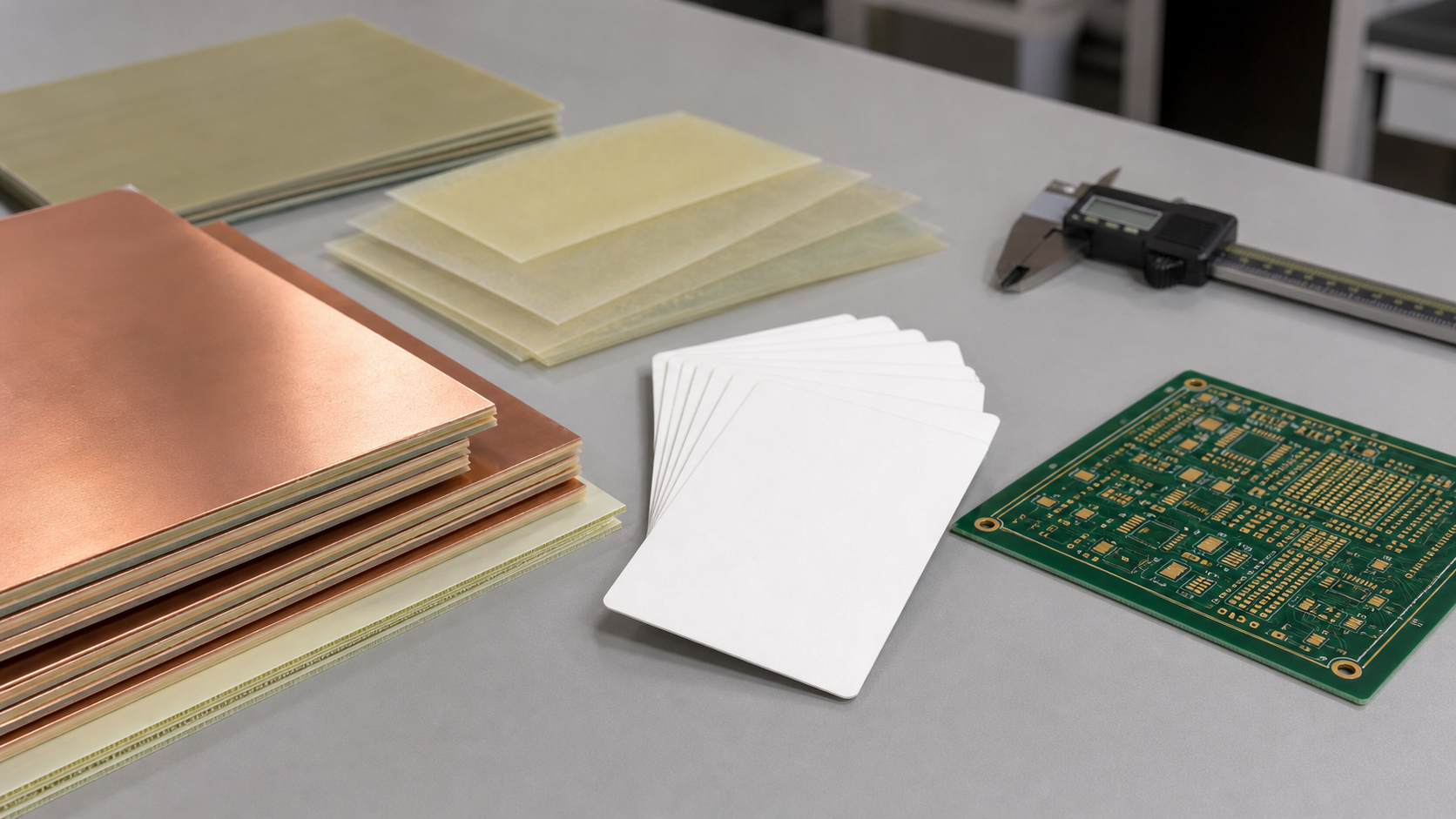
370HR is a high-performance FR-4 laminate and prepreg system commonly considered when a PCB needs stronger thermal reliability than standard FR-4. Buyers should not specify it by name alone. The RFQ should define the full stack-up, copper weight, thickness tolerance, glass style, impedance needs, surface finish, reflow exposure, reliability targets, and whether the project needs documented material traceability.
What 370HR Is Used For
Isola describes 370HR laminate and prepreg as a material family focused on thermal performance, low CTE, moisture resistance, and CAF resistance compared with traditional FR-4 expectations. The latest 370HR data sheet should be checked before locking any design value, because buyers should work from the material vendor's current documentation and the board shop's approved stack-up.
In practice, the material decision matters most when the PCBA faces repeated reflow, higher operating temperature, thicker multilayer construction, lead-free assembly, controlled impedance, or long service-life requirements.
RFQ Questions for 370HR PCB Material
| Topic | Question | Why it matters | |---|---|---| | Stack-up | Which core and prepreg constructions are approved for this thickness? | Material name alone does not define impedance or resin content | | Thermal exposure | How many reflow cycles and repair cycles are expected? | Assembly heat history can affect reliability | | Copper and finish | What copper weight and surface finish are required? | Finish and copper geometry influence soldering and inspection | | CAF risk | Are spacing, glass style, humidity exposure, and cleaning controls reviewed? | CAF risk is a design, material, and process issue | | Traceability | Can the supplier record laminate lot and board lot? | Useful for failure analysis and quality records | | Substitution | Can equivalent material be used, and who approves it? | Prevents silent material changes |
Fabrication and Assembly Controls
370HR selection should be reviewed together with drill quality, resin content, lamination cycle, solder mask compatibility, impedance coupon strategy, surface finish, warpage tolerance, and PCBA thermal profile. The board may pass fabrication checks but still create assembly problems if the stack-up is too thick, copper distribution is imbalanced, or reflow profile assumptions are vague.
KEEP BEST connects material selection with DFM engineering, PCBA manufacturing services, quality management, RFQ review, OEM manufacturing support, box build integration, and the related Isola 370HR buyer FAQ.
Practical Recommendation
Do not send an RFQ that says only "use 370HR." Send the target stack-up, impedance requirements, copper weight, board thickness, finish, service environment, expected reflow cycles, quality evidence needed, and whether substitutions are allowed. Ask the supplier to return a material note that names the approved construction and any manufacturing risk.
FAQ
Is 370HR always required for reliable PCBA?
No. It is one material option. The right choice depends on operating temperature, board thickness, layer count, reflow exposure, reliability target, and cost constraints.
Can a supplier substitute another high-Tg material?
Only with written approval. The buyer should compare thermal, electrical, mechanical, fabrication, and reliability requirements before approving any substitution.
Does the PCB material solve all reliability risks?
No. Material helps, but DFM, fabrication control, soldering profile, cleanliness, test coverage, coating, and traceability still matter.
What should buyers request with the quotation?
Request the proposed stack-up, material family, thickness tolerance, finish, impedance strategy, material traceability option, and any open manufacturing concerns.