Direct Answer
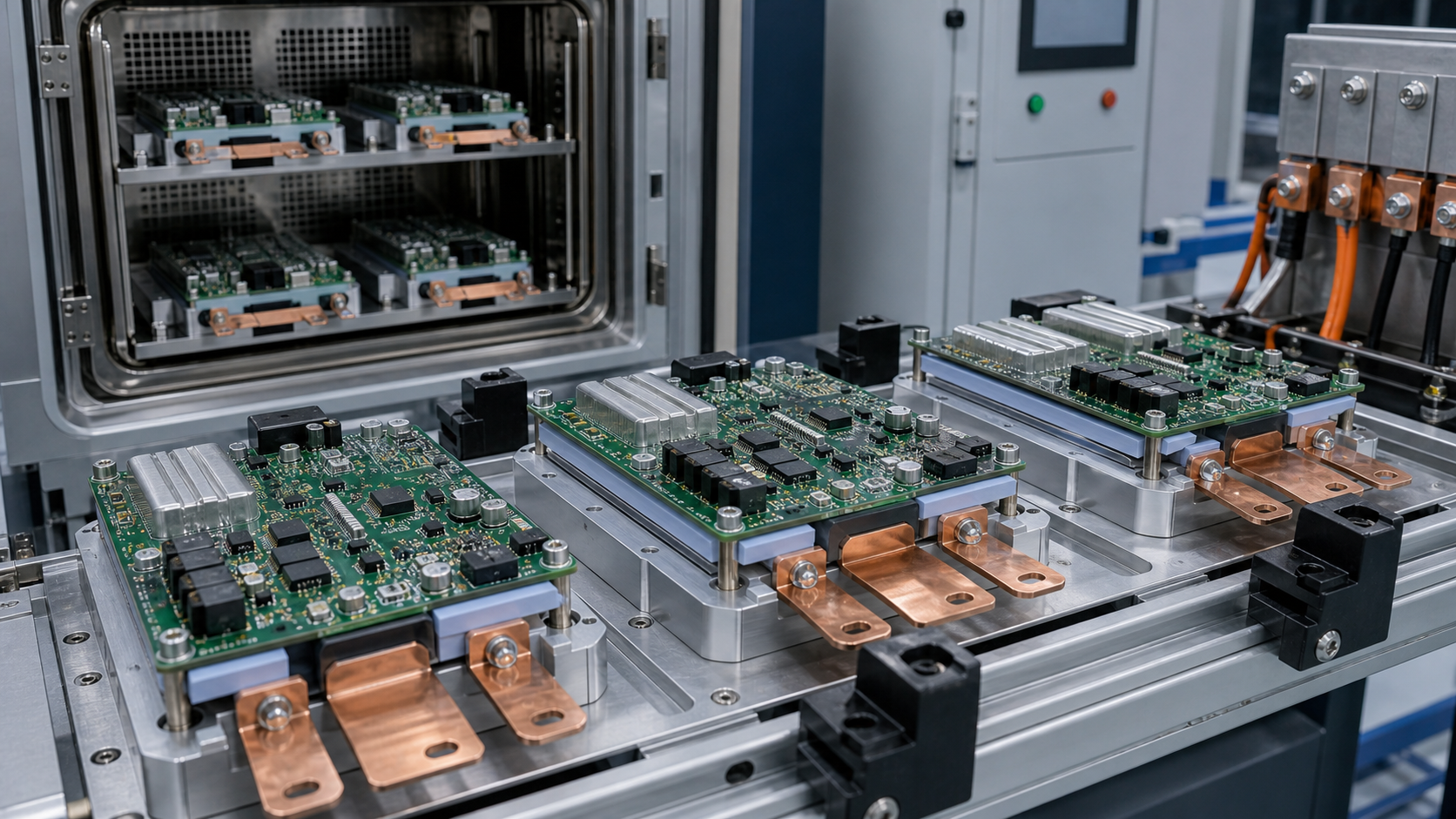
A high temperature PCB for EV electronics is a board designed for thermal stress, current load, material stability, and long service life in power or control modules. It is not only a high Tg laminate choice; the complete stack-up, copper design, surface finish, assembly process, and test plan must support the expected environment.
Why Buyers Should Clarify This Early
EV electronics may face heat from power devices, current cycling, vibration, humidity, and enclosure constraints. A board can pass basic electrical test yet still be weak under thermal cycling, copper fatigue, solder joint stress, or material expansion mismatch. Buyers should evaluate the whole PCBA system rather than only the bare board.
Buyer Checklist
| Check area | Buyer focus | Evidence | | --- | --- | --- | | Area | What to review | RFQ evidence | | Material | Tg, Td, CTE, thermal conductivity, CAF risk | Material spec and stack-up note | | Copper and current | Copper weight, busbar interface, thermal spreading | Current path and copper design review | | Assembly | Reflow profile, solder voiding, coating, cleaning, connector stress | First article and inspection report | | Testing | Thermal cycling, functional test, X-ray where needed | Test limits, fixture status, yield data |
RFQ Questions to Ask
- What temperature range and thermal cycling expectation should the supplier quote against?
- Which material system and copper weight are assumed in the stack-up?
- How will solder voiding, connector stress, and heat-spreader interfaces be inspected?
- Which records prove the build is repeatable for pilot and production runs?
Supplier Red Flags
- The quote only lists price and lead time, without material, process, inspection, and test boundaries.
- Approved alternates, rework, deviations, test failures, and lot traceability do not have a clear approval path.
- The supplier cannot explain who owns first article review, in-process inspection, release records, and failed-unit handling.
- Critical process promises are verbal only and are not tied to a record template.
How KEEP BEST Connects the Work
For a controlled build, connect PCBA manufacturing services, DFM engineering review, quality management, RFQ review workflow, aerospace reliability checklist, BGA assembly guide in one review path so quotation, engineering, quality, and delivery evidence stay aligned.
Practical Recommendation
For EV high temperature PCB projects, require a thermal-risk review before quotation is finalized. Connect material choice, copper layout, assembly limits, and test evidence in one control plan.
FAQ
Is high Tg material enough for EV high temperature PCB?
No. High Tg helps, but thermal reliability also depends on CTE, copper design, solder joints, component stress, coating, and test conditions.
Where are these boards used?
Typical use cases include power control modules, battery-related electronics, charging interfaces, thermal management controls, and rugged control boards.
What should buyers compare between suppliers?
Compare material assumptions, stack-up review, thermal test options, inspection evidence, and how deviations or substitutions are approved.