Direct Answer
PCB manufacturers for medical devices should be evaluated on controlled manufacturing evidence, not only board price. A useful RFQ asks how the supplier will review design files, control PCB fabrication inputs, manage PCBA assembly, preserve traceability, validate test coverage, document changes, and package release records for the buyer's quality file. The supplier does not replace the finished-device manufacturer's regulatory responsibility, but it should provide evidence that supports a controlled medical electronics build.
Why Medical Electronics RFQs Need More Detail
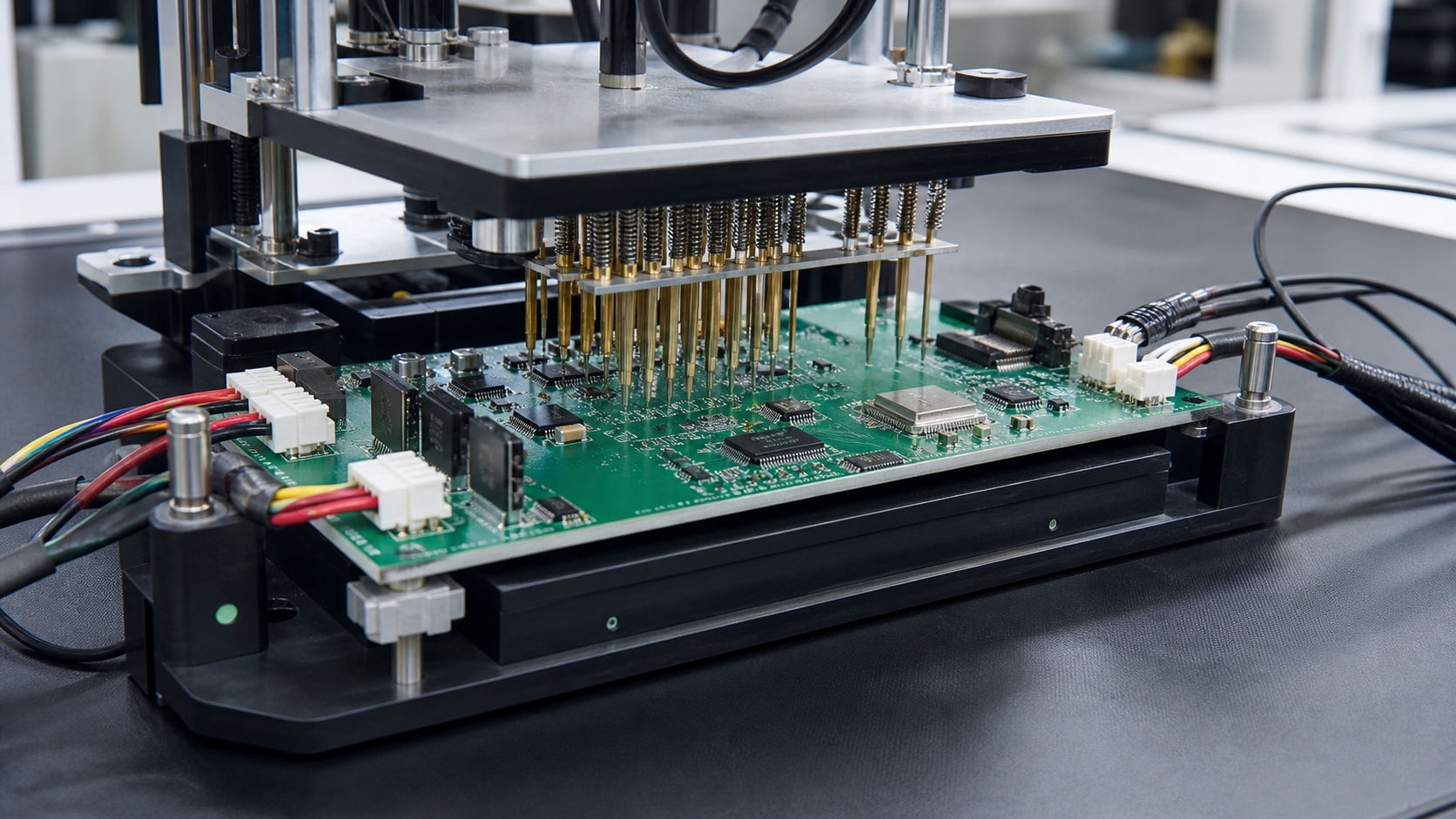
Medical electronics projects often combine PCB fabrication, SMT assembly, firmware loading, test fixtures, cable or enclosure integration, and lot-level documentation. If the RFQ is limited to Gerber files and quantity, the supplier may quote a build that misses critical quality assumptions.
For U.S. device work, the eCFR page for 21 CFR Part 820 describes quality management system regulation for finished devices, and FDA's QMSR overview explains the Quality Management System Regulation direction. A PCB or PCBA supplier should not promise finished-device compliance by default; it should define what records it can provide and where buyer approval is required.
RFQ Checklist for Medical Device PCB Projects
| RFQ area | What to ask | Evidence to request | |---|---|---| | Design input | Gerber, ODB++, IPC netlist, stack-up, impedance, critical nets, mechanical constraints | DFM notes and open questions | | Material control | Base laminate, copper weight, finish, solder mask, approved alternatives | Material declaration, lot record, substitution approval path | | Assembly process | Stencil, paste, placement, reflow, cleaning, coating, rework limits | Process traveler and first article record | | Test strategy | ICT, FCT, programming, fixture ownership, limits, failure handling | Test plan, fixture checklist, yield report | | Traceability | PCB lot, component lots, operator steps, test result, shipment batch | Lot traceability package | | Change control | PCB revision, BOM revision, process deviation, approved alternates | ECO and buyer approval workflow |
Supplier Questions Buyers Should Not Skip
- Which file gaps will you report before quotation?
- Will the DFM review include creepage, clearance, panelization, fiducials, test access, and component orientation?
- Are medical electronics builds separated by material lot, PCB lot, and PCBA traveler?
- Can you provide test fixture status, calibration status, fixture version, and pass/fail data?
- How are approved alternates controlled when a component shortage appears?
- Who signs off on rework, repair, cleaning, coating, and process deviations?
- Which documents are included in the release package, and which require a paid quality report?
How KEEP BEST Connects the RFQ to Production
For medical electronics buyers, the useful workflow links medical electronics solutions, PCBA manufacturing services, DFM engineering, quality management, RFQ review, and related documentation such as ISO 13485 records for medical electronics PCBA. The goal is to move from a price quote to a controlled build plan with known evidence.
Practical Recommendation
Ask the supplier to return a short RFQ response matrix. Each row should name the control point, owner, buyer input needed, record produced, and unresolved risk. This makes supplier comparison more objective and prevents the medical electronics build from depending on undocumented assumptions.
FAQ
Is a PCB supplier automatically a medical device manufacturer?
No. A PCB or PCBA supplier usually supports the finished-device manufacturer. The RFQ should clarify supplier scope, buyer responsibility, and records supplied for the buyer's quality system.
Should the RFQ include test fixture requirements?
Yes. Test coverage, fixture ownership, fixture version, calibration status, and failure handling should be defined before pilot production.
What is the biggest sourcing risk?
Unapproved material or component substitution is often the biggest preventable risk. The approval path should be documented before purchasing starts.
What should be frozen before production?
Freeze PCB revision, BOM revision, Gerber or ODB++ package, stack-up, test limits, approved alternates, packaging requirements, and release-document expectations.