Direct Answer
Printed circuit board assembly quality depends on controlled inputs, stable process windows, defect prevention, and acceptance evidence. Buyers should not evaluate a supplier only by unit price or assembly speed. A useful quotation should state the required files, DFM assumptions, solder paste and stencil controls, placement and reflow limits, inspection coverage, test plan, repair rules, traceability, and the records returned with shipment.
Why Process Controls Matter
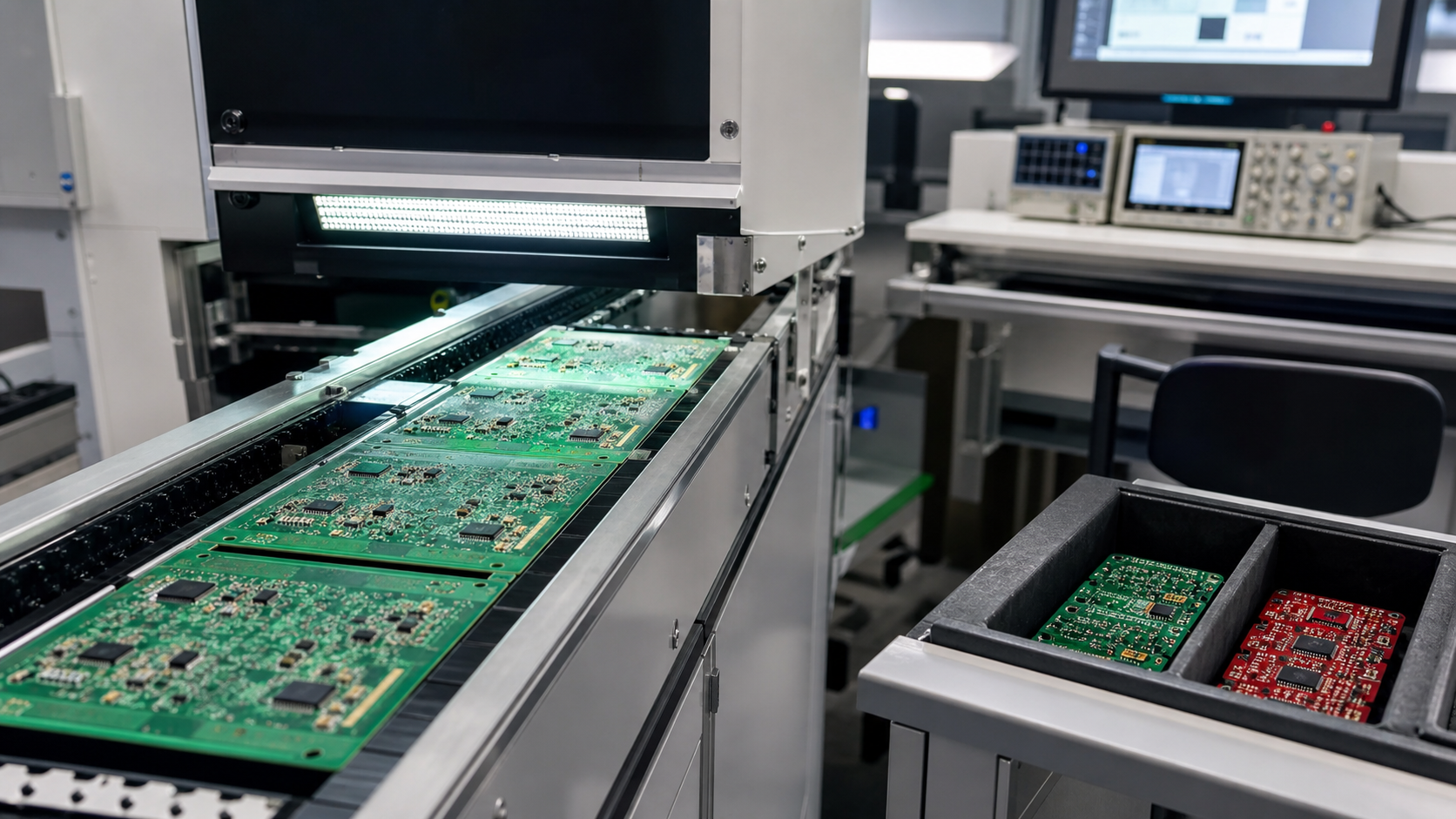
Printed circuit board assembly converts a design package into a physical PCBA through solder paste printing, component placement, reflow, inspection, test, repair when allowed, and final release. Small gaps in the input package can become expensive defects later. A missing polarity mark, unclear test requirement, uncontrolled substitute component, or weak first article release can affect cost, lead time, and field reliability.
Use this guide together with PCBA manufacturing services, RFQ submission workflow, DFM engineering review, quality management, first article inspection checklist, AOI and X-ray quality evidence, SMD PCB assembly risks, PCB assembly RFQ file checklist so quotation, engineering, quality, and delivery evidence stay connected.
Inputs Buyers Should Freeze Before Assembly
- Gerber or ODB++ files, drill data, PCB stack-up, surface finish, and approved revision.
- BOM with manufacturer part numbers, alternates, do-not-substitute items, MSL notes, and lifecycle risks.
- Pick-and-place data, centroid file, assembly drawing, polarity markings, and component orientation references.
- DFM and DFT comments, including spacing, fiducials, panel rails, test-point access, and thermal pads.
- Inspection and test expectations, including AOI, X-ray, ICT, FCT, programming, calibration, and acceptance criteria.
- Packaging, labeling, ESD handling, traceability, and shipment release documents.
Process Controls To Verify
- Solder paste and stencil: paste type, storage, stencil thickness, aperture design, cleaning interval, and paste inspection method.
- Placement: feeder setup, component orientation, nozzle suitability, first board confirmation, and changeover control.
- Reflow: thermal profile, board support, peak temperature, soak time, cooling rate, and special component limits.
- Inspection: AOI program baseline, X-ray criteria for hidden joints, visual inspection standard, and rework approval path.
- Testing: ICT, FCT, programming, boundary scan, calibration, fixture ownership, and failed-unit disposition.
- Traceability: PCB lot, component lot, work order, inspection result, test result, repair record, and final release link.
Defects Buyers Should Ask About
The most common assembly concerns are not random. They usually connect back to uncontrolled inputs or process windows. Ask how the supplier prevents solder bridges, insufficient solder, tombstoning, skewed parts, polarity errors, lifted leads, open joints, voiding, head-in-pillow defects, solder balls, contamination, board warpage, and intermittent test failures. The answer should include prevention controls and inspection evidence, not only a promise to check quality.
Acceptance Evidence To Request
- First article result with deviations, approvals, and unresolved assumptions clearly separated.
- AOI or visual inspection summary tied to the accepted revision.
- X-ray result where BGA, QFN, bottom-terminated components, voiding, or hidden solder joints create risk.
- ICT, FCT, programming, or calibration results when the buyer needs electrical or functional confidence.
- Repair or rework record that separates original first-pass result from repaired pass result.
- Shipment release package showing quantity, revision, lot traceability, packaging status, and open issues.
Cost, Quality And Lead-Time Trade-Offs
Better control does not always mean adding every possible inspection step. It means matching the evidence level to the product risk. A prototype may need fast engineering feedback. A production transfer may need stronger first article and traceability records. A high-reliability product may need deeper X-ray, test, and change-control evidence. The buyer should compare suppliers on the same assumptions before deciding that one quotation is cheaper.
Supplier Questions For RFQ Review
- Which files or assumptions are still missing before assembly release?
- What process controls are required for the highest-risk components on this board?
- Which defects are most likely for this layout, and how will they be detected?
- What inspection and test records will be returned with the shipment?
- How are deviations, substitute parts, repairs, and failed tests approved?
- How does the evidence package change between prototype, pilot, and production runs?
Practical Recommendation
Treat printed circuit board assembly as a controlled manufacturing release, not only as a placement service. A strong supplier response should connect files, DFM, process controls, inspection, testing, traceability, and release evidence in one quote-ready path.
FAQ
Is printed circuit board assembly the same as PCBA manufacturing?
In buyer discussions the terms often overlap, but PCBA manufacturing usually includes the broader sourcing, process, quality, test, traceability, and delivery controls around the assembly work.
Does every project need X-ray inspection?
No. X-ray is most important when hidden joints, BGA, QFN, bottom-terminated packages, voiding, or reliability requirements make visual inspection insufficient.
What should buyers compare first?
Compare supplier assumptions first: files, BOM control, process controls, inspection coverage, test plan, repair rules, records, cost, and lead time.