Direct Answer
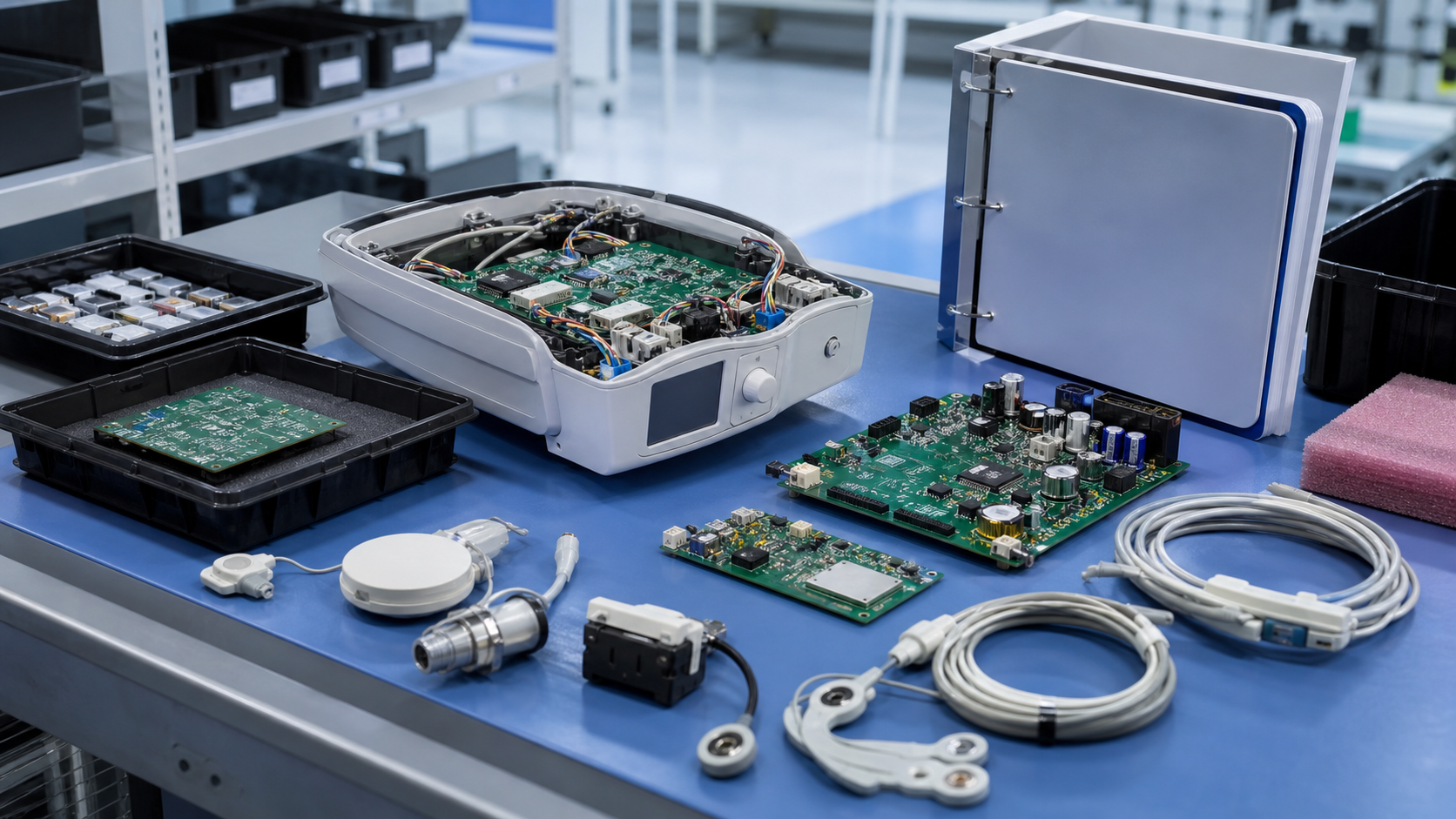
Medical OEM electronic subsystem sourcing should be quoted as a controlled build package, not as a loose PCB order. The RFQ should define PCB fabrication inputs, PCBA assembly steps, harness or sensor integration, test coverage, documentation, traceability, and the decision points that require buyer approval.
Why Buyers Should Clarify This Early
Subsystem work sits between board assembly and final product integration. If the supplier only quotes PCBAs, the buyer may discover late gaps in harness routing, enclosure fit, firmware loading, cleaning, packaging, or release records. A stronger RFQ makes these assumptions visible before pilot build.
Buyer Checklist
| Check area | What buyers should confirm | Evidence or action | | --- | --- | --- | | Design package | Gerber, ODB++, BOM, drawings, critical nets, enclosure constraints | DFM questions and controlled file list | | Assembly scope | SMT, through-hole, cable, sensor, coating, cleaning, programming | Process traveler and acceptance criteria | | Test coverage | ICT, FCT, firmware load, fixture ownership, failure disposition | Test plan, fixture status, yield report | | Traceability | PCB lot, component lot, operator step, test result, shipment batch | Lot traceability package |
RFQ Questions to Ask
- Which subsystem interfaces are included in the quotation and which remain buyer responsibility?
- How will cable, connector, sensor, and enclosure constraints be checked before pilot build?
- Which test fixture data and release records are included in the standard delivery package?
- How are component alternates, rework, and process deviations approved?
Supplier Red Flags
- The quote only lists unit price and lead time, without process boundaries, test boundaries, or document scope.
- DFM issues, approved alternates, rework, deviations, and lot traceability do not have a clear approval path.
- The supplier cannot explain who owns first article review, in-process inspection, failed-unit handling, and release records.
- Critical materials, critical process steps, or critical tests are promised verbally but not tied to a record template.
Documents to Prepare Before RFQ
Prepare controlled versions of PCB data, BOM, drawings, test limits, packaging requirements, approved alternates, special process notes, and the target release-record list. Clear inputs make supplier capability differences visible earlier and help close risk before pilot production.
How KEEP BEST Connects the Work
For a controlled build, connect medical electronics PCBA solutions, PCBA manufacturing services, DFM engineering review, quality management, RFQ review workflow, medical PCB supplier checklist in one review path so quotation, engineering, quality, and delivery evidence stay aligned.
Practical Recommendation
Ask every supplier to return a response matrix with owner, record, buyer input, open risk, and approval gate for each subsystem step.
FAQ
Is a medical subsystem supplier the same as a finished-device manufacturer?
Usually no. The supplier supports controlled manufacturing, but the buyer must define regulatory scope, product responsibility, and final release authority.
Should the RFQ include harness and enclosure details?
Yes. Harness routing, connector orientation, strain relief, enclosure clearance, and packaging assumptions should be reviewed before pilot build.
What evidence matters most?
DFM records, process travelers, test data, traceability reports, approved alternates, and signed deviation records are the most useful evidence for comparison.