Direct Answer
A precision sensor PCB assembly service builds and tests PCBA modules used for measurement, detection, control, or signal acquisition. Buyers should evaluate the supplier's ability to protect small components, low-level signals, calibration points, connector interfaces, and clean packaging from prototype through shipment.
Why Buyers Should Confirm This Early
Sensor assemblies can fail for reasons that are not obvious in a basic electrical test. Flux residue, moisture exposure, mechanical stress, ESD handling, connector strain, calibration drift, and packaging damage may create intermittent or field-only failures. The RFQ should define handling and evidence requirements as clearly as electrical requirements.
Buyer Checklist
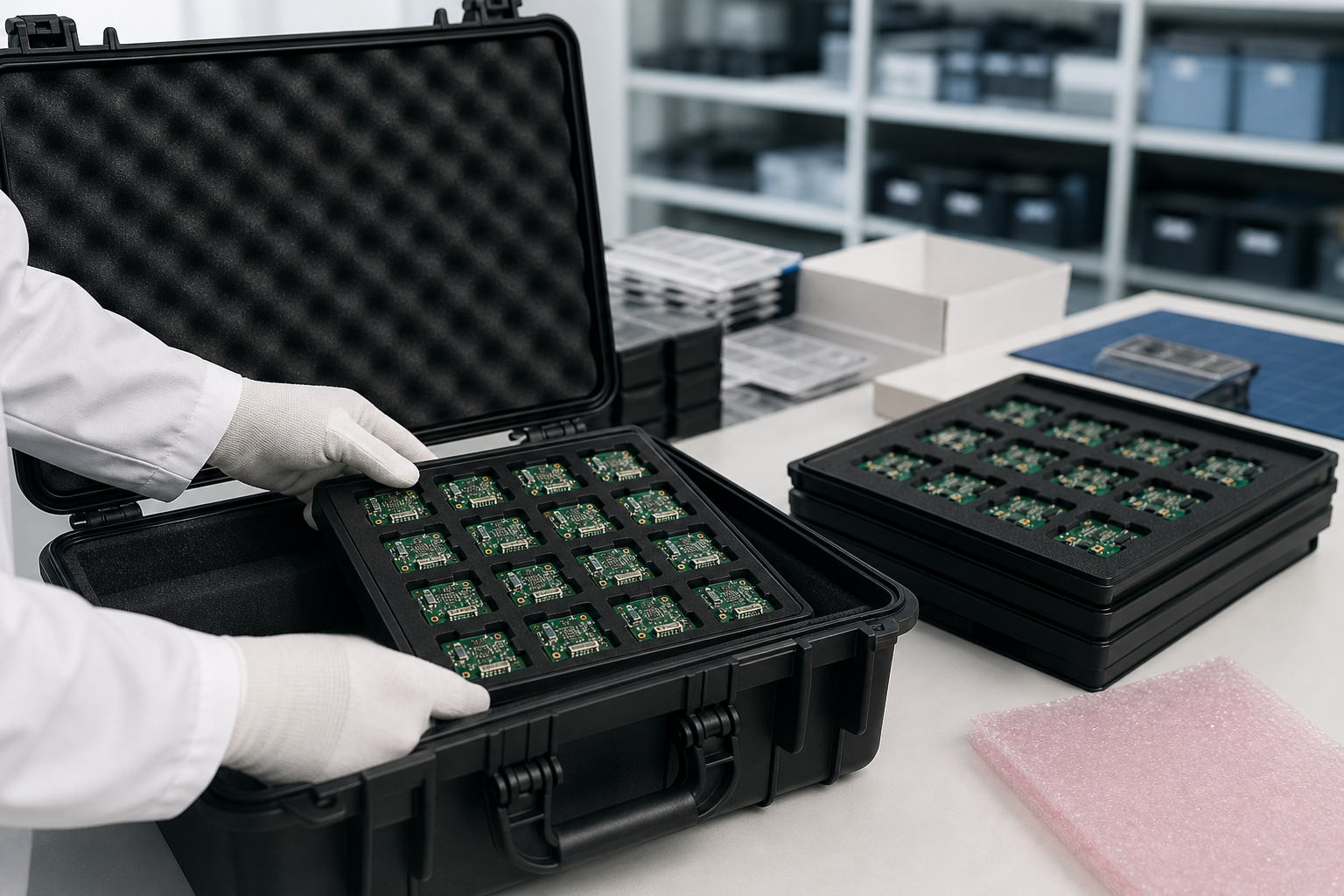
| Check area | Buyer risk | Evidence to request | | --- | --- | --- | | Component and ESD handling | Small sensors and front-end components can be damaged by static, moisture, or handling stress. | MSL control, ESD process, storage conditions, and handling records | | SMT and cleanliness | Residue or thermal stress can affect sensor accuracy and long-term stability. | Stencil plan, reflow profile, cleaning method, and ionic or visual cleanliness criteria | | Test and calibration interface | A board may pass continuity but fail the real signal chain. | ICT/FCT scope, fixture plan, calibration access, and acceptance criteria | | Packaging and delivery | Sensitive modules can be damaged after final test. | ESD tray, foam, moisture barrier, labeling rule, and shipment inspection record |
RFQ Questions to Ask
- Which sensor type, signal level, connector style, calibration interface, and handling sensitivity should the supplier assume?
- How will ESD, moisture, cleanliness, reflow profile, and mechanical stress be controlled during assembly?
- What functional test or calibration evidence can be returned with each production lot?
- How will packed modules be protected against vibration, ESD, humidity, and handling damage during delivery?
Supplier Red Flags
- The quote gives unit price and lead time but does not define material, process, inspection, and test boundaries.
- Alternates, rework, deviations, failed tests, and lot traceability do not have an approval path.
- First article release, in-process inspection, outgoing QA, and nonconforming material handling are unclear.
- Critical promises are not backed by a record template that can be returned with the shipment.
How KEEP BEST Connects the Work
For this type of project, buyers should connect PCBA manufacturing services, quality management, DFM engineering review, RFQ review workflow, high-precision PCB assembly risks, precision PCB supplier guide, PCB assembly SMT risk checklist, box-build integration in one review path so quotation, engineering, quality, and delivery evidence stay aligned.
Practical Recommendation
Treat precision sensor PCBA as both an SMT and controlled-delivery project. The RFQ should ask for process evidence, functional test scope, calibration support, lot traceability, and packaging validation before shipment.
FAQ
Is visual inspection enough for sensor PCBA?
No. Visual inspection can catch placement and solder defects, but sensor accuracy and low-level signal behavior usually need functional or calibration-related checks.
Why does packaging matter so much?
Packaging protects finished modules after they have already passed test. Poor ESD, moisture, or mechanical protection can create failures after the factory release.
What should buyers ask for in the first article?
Ask for DFM feedback, first article photos, solder and cleanliness evidence, functional test data, packaging approval, and traceability records.