
Direct Answer
A high-precision PCB assembly service is valuable when the design has fine-pitch components, dense routing, small passives, BGA or QFN packages, tight placement tolerance, sensitive materials, or strict test and traceability needs. The supplier must prove that printing, placement, reflow, inspection, rework, and testing are controlled as a system. Capability claims should be checked against the actual board, not against a generic equipment list.
Where Precision Is Won or Lost
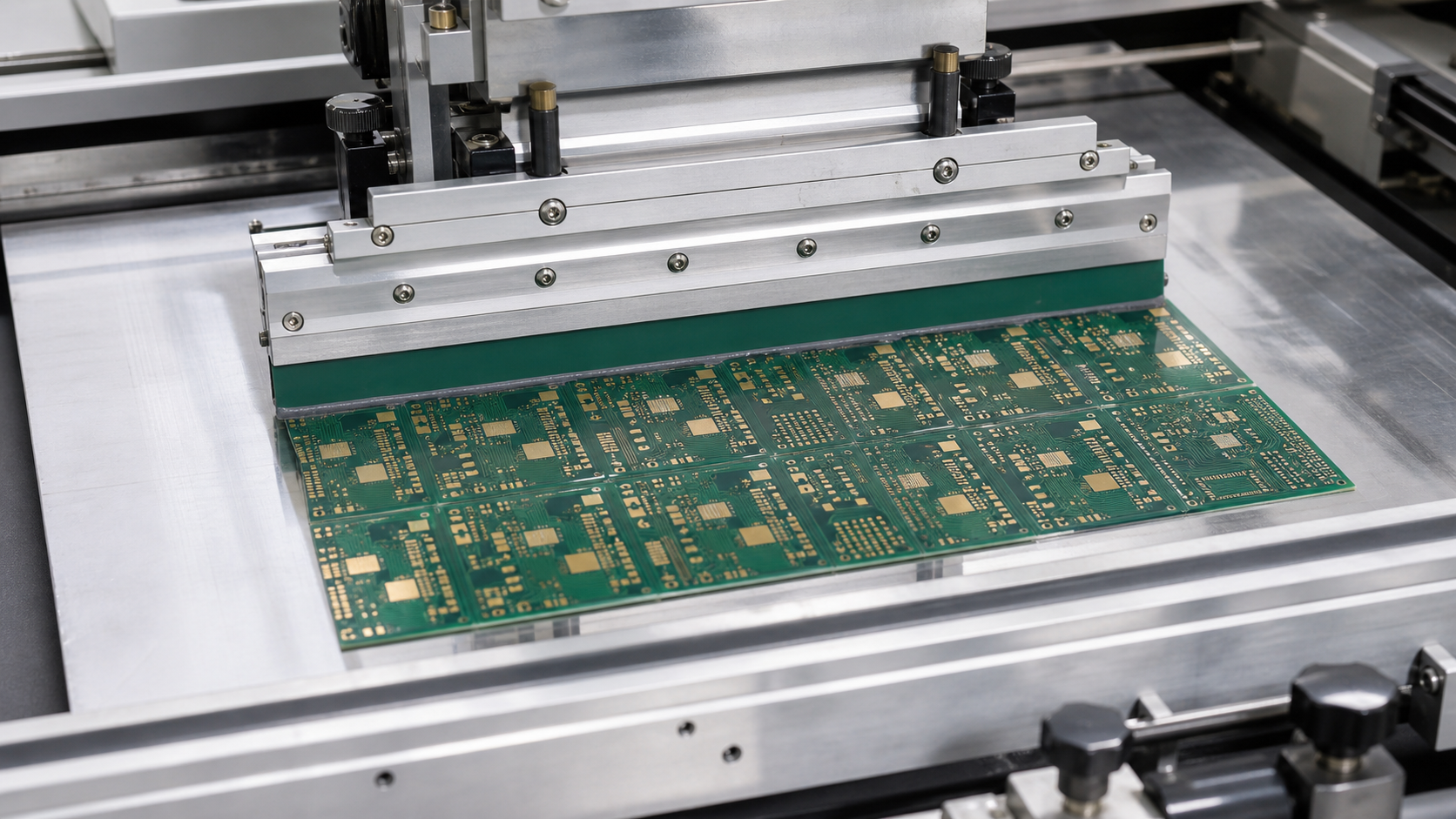
Precision starts before production. Pad design, component spacing, fiducials, panelization, stencil aperture design, paste selection, board finish, warpage, and test access all influence the result. A supplier with good placement equipment can still struggle if the DFM review misses paste-release issues or component keep-out conflicts.
For acceptance and soldering controls, buyers can reference the official IPC-A-610 and IPC J-STD-001 pages, then define the applicable class and customer requirements in the drawing or purchase package.
High-Precision Control Table
| Control area | Why it matters | Evidence to request | |---|---|---| | DFM closure | Prevents layout-driven assembly defects | Closed DFM report and buyer approval | | Stencil design | Controls paste release and solder volume | Stencil thickness and aperture review | | Placement setup | Prevents rotation, skew, polarity, and feeder mistakes | First article and setup verification | | Thermal profile | Balances wetting, voids, and component stress | Board-specific reflow profile | | Hidden-joint inspection | Detects BGA, QFN, and LGA risks | X-ray criteria and sample images if allowed | | Test strategy | Finds electrical and functional escapes | ICT/FCT coverage map | | Traceability | Supports later failure analysis | Lot and serial release records |
RFQ Inputs That Matter
Send Gerbers, drill files, paste layer, centroid data, BOM with approved manufacturers, assembly drawing, stackup, impedance notes, test requirements, programming files, coating or underfill requirements, packaging requirements, forecast volumes, and any customer acceptance criteria. If the buyer expects IPC Class 3 workmanship, medical traceability, aerospace release evidence, or automotive PPAP-like records, that must be stated before quotation.
Related internal reviews should include DFM engineering, PCBA manufacturing service, quality validation, RFQ submission, OEM production, box build integration, and the SMT assembly process guide.
Supplier Questions
- Which minimum component size and pitch are proven in routine production, not only in trials?
- How are fine-pitch stencils reviewed for aperture reduction, window pane patterns, and paste release?
- Is SPI used on this product, and what response happens when paste volume is out of range?
- Which packages require X-ray, and which defects are acceptable, suspect, or reject?
- How are BGA rework, QFN rework, pad repair, and repeated heating controlled?
- Can the supplier provide a first article package before pilot build release?
- What records will be available if a field issue appears six months later?
Practical Recommendation
Choose the supplier that can explain the process window for your design. A strong quote should show DFM findings, stencil logic, inspection gates, test coverage, and release records. A weak quote only states that the factory owns modern SMT equipment.
FAQ
Is high-precision assembly always more expensive?
Usually it needs more engineering review, setup control, inspection, and test coverage, but those costs can prevent much larger rework and field-failure costs.
Does fine-pitch assembly always require X-ray?
Not always. X-ray is most useful when critical solder joints are hidden or when process qualification requires evidence beyond visual inspection.
Should the EMS supplier modify the PCB design?
The supplier can recommend changes through DFM, but design changes should be approved by the buyer before production files are frozen.
What is the fastest way to reduce risk?
Run DFM before ordering materials, build a controlled prototype, review first article evidence, and freeze the process before volume production.