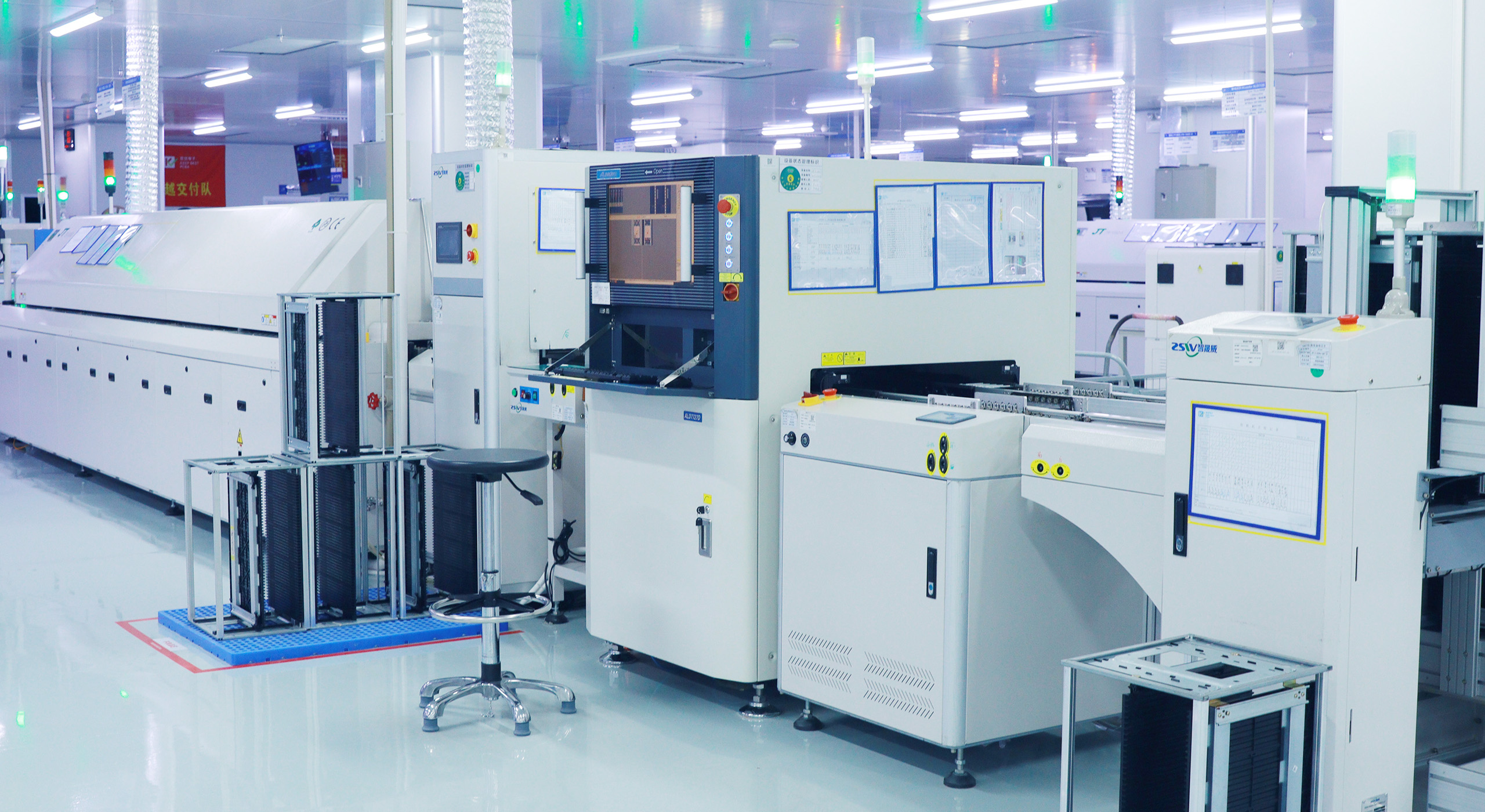
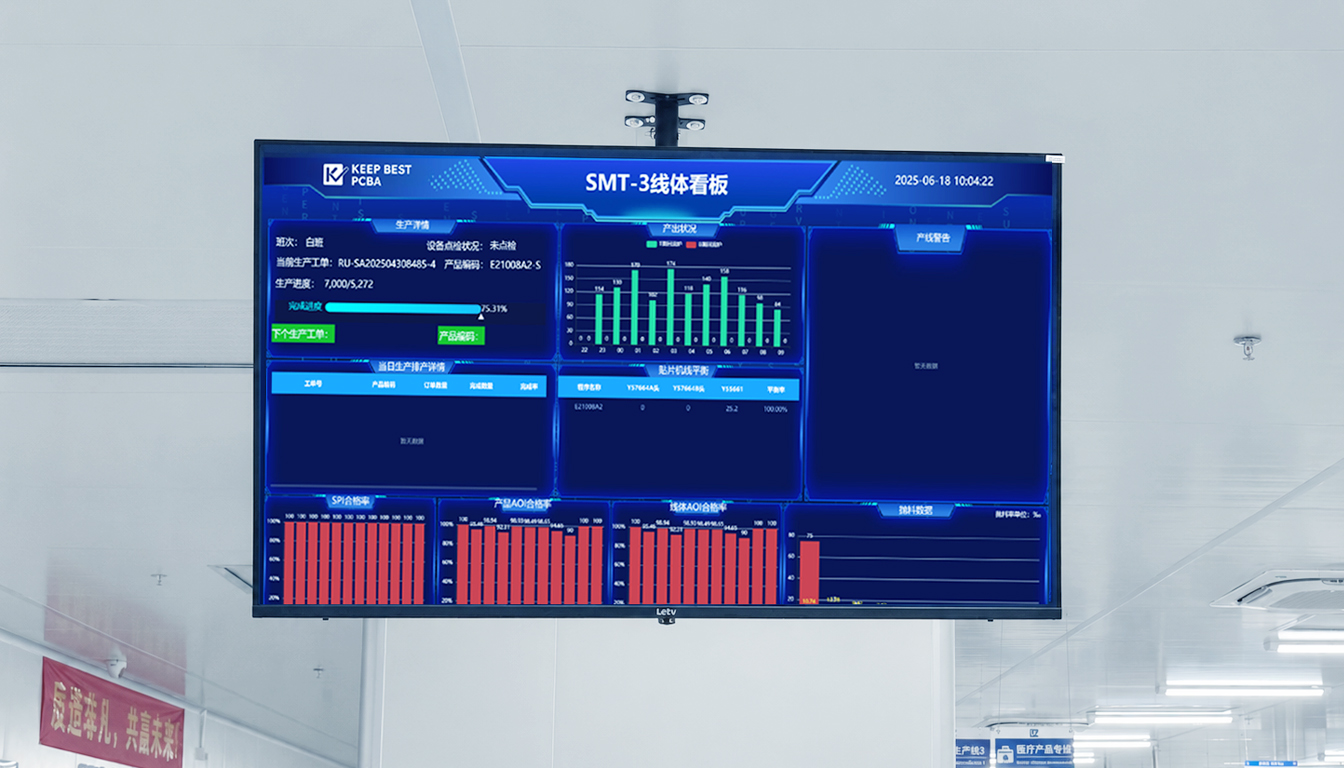
AI-assisted PCBA engineering review and smart manufacturing

AI-DRIVEN MANUFACTURING

AI-Driven Smart Manufacturing

AI embedded in engineering, quality, supply chain, production and customer service.

AI-ASSISTED ENGINEERING

AI-Assisted Engineering for Faster Hardware and Software Development

Keep Best turns hardware design, embedded software, BOM, testing and pilot production experience into reusable engineering knowledge, using AI to improve file understanding, solution review, risk detection and engineering collaboration.

AI does not replace engineers. It helps engineering teams understand customer requirements faster, identify hardware and software risks earlier, and turn design ideas into executable engineering actions.

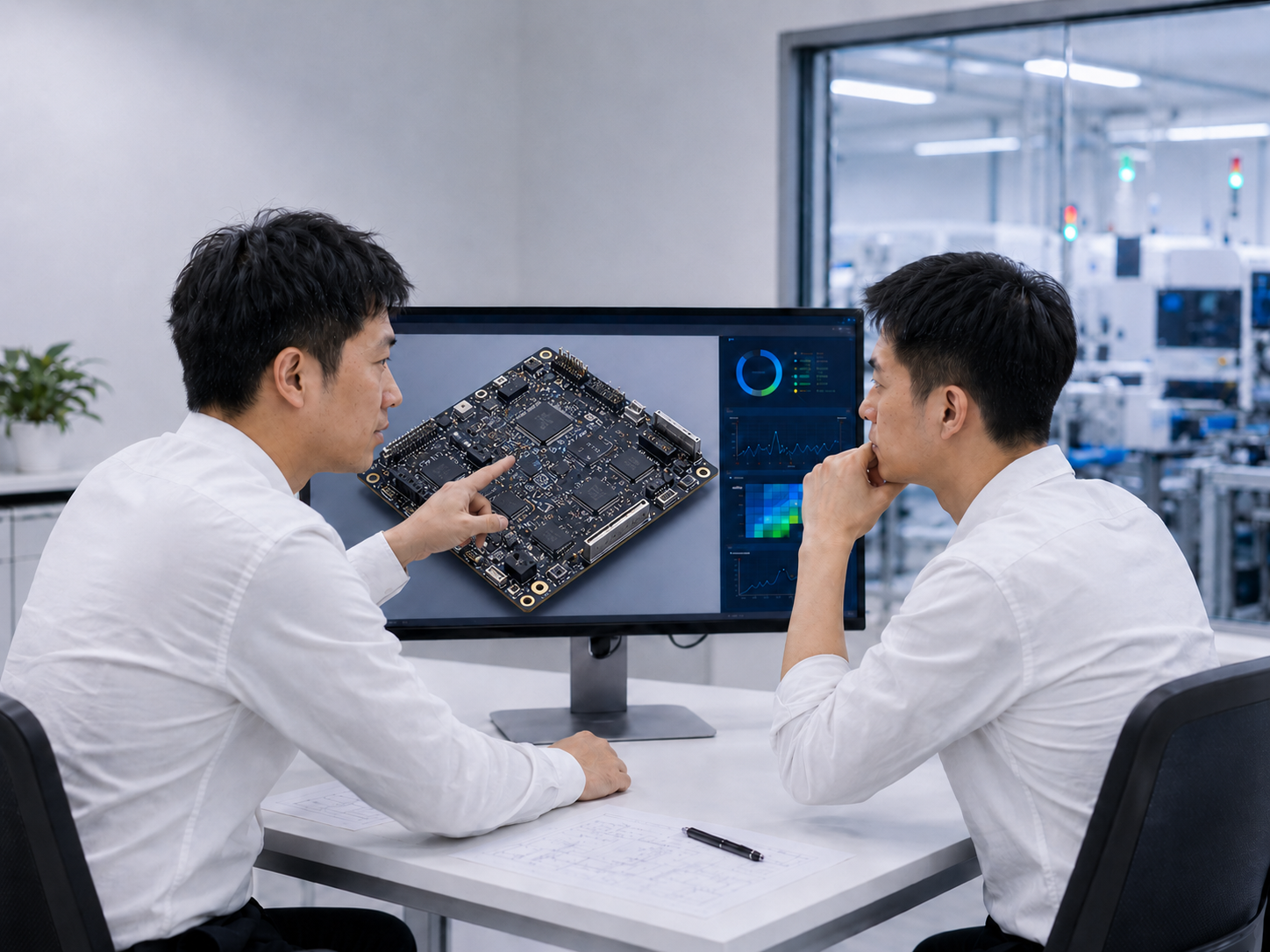
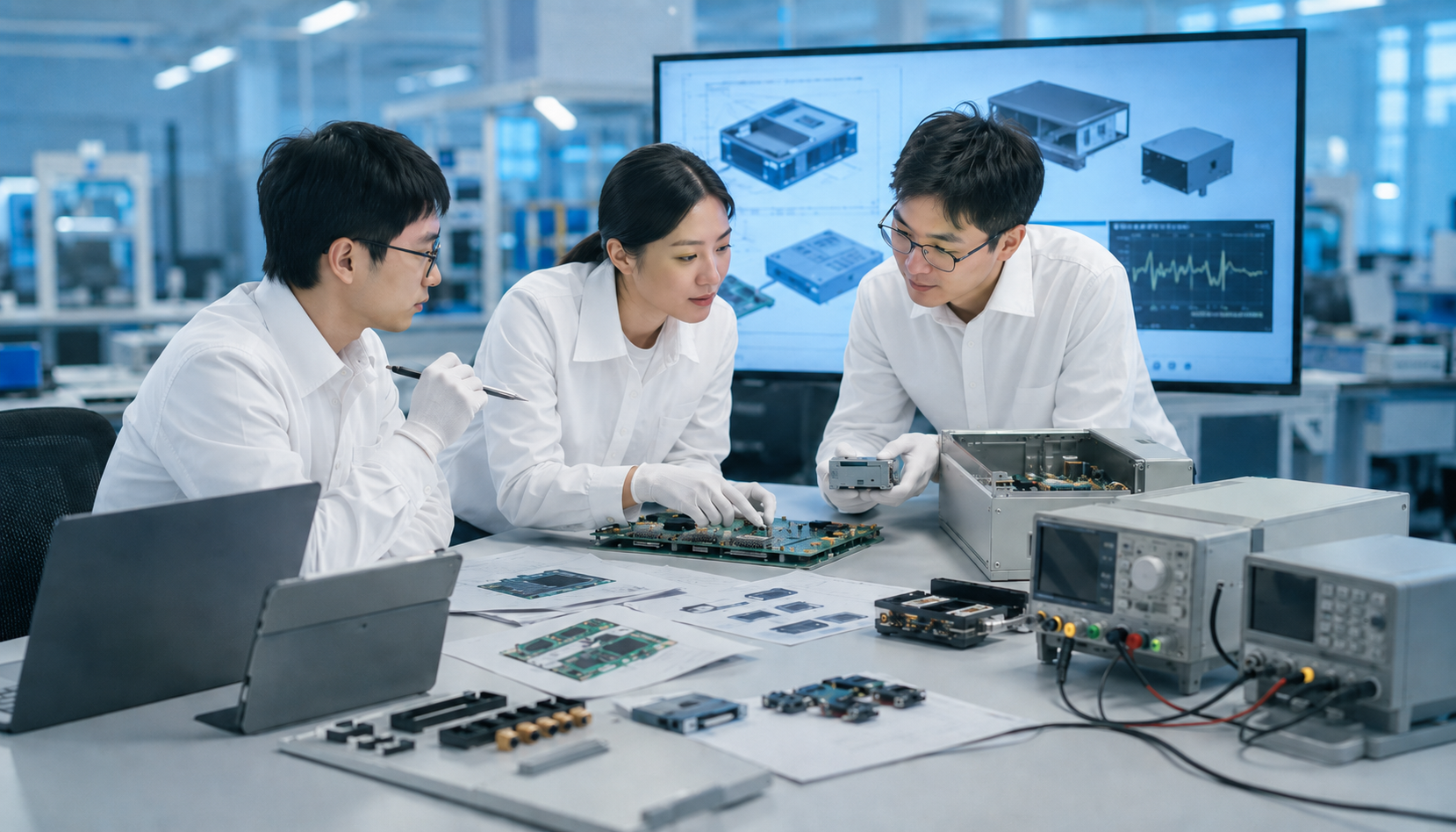
Engineers reviewing PCB and embedded software

R&D Issues Often Surface During Pilot Production

From concept to prototype, pilot to volume production, risks come not only from PCB design but also from functional requirements, hardware architecture, embedded software, component selection, communication interfaces, test coverage and validation methods. Through AI-assisted engineering, Keep Best connects early design review, hardware-software collaboration, BOM risk, test validation and pilot production introduction to help customers expose uncertainties earlier, judge sooner, and act faster.

Unclear Requirements

Incomplete functional descriptions, undefined interfaces and scenarios

Assist in clarifying requirements, functional boundaries and missing items

Hardware Risks

Uncertainty in power, drivers, sensors, interfaces and protection circuits

Experience-based hardware architecture matching and risk alerts

Software Coordination

Embedded functions, protocols and control logic mismatch with hardware

Early identification of hardware-software interface and debug risks

BOM Risks

Uncertain lead times, alternates, packages and component lifecycles

Early identification of component risks and alternative directions

Insufficient Testing

Test points, fixtures or validation items found lacking at prototype stage

Early planning for ICT/FCT, functional and reliability validation

Unclear Transition

Prototype works but pilot and volume production path is unclear

Output prototype, pilot and volume production introduction recommendations

AI Identifies First, Engineers Validate, Output Actionable Recommendations

AI-assisted engineering does not hand projects to automatic judgment. It front-loads repetitive file recognition, experience matching and risk alerts, so engineers can focus on critical decisions and solution confirmation.

01

Customer Input

Product requirements / block diagram / schematic / PCB / Gerber / BOM / software needs / test requirements

02

AI File Recognition

Completeness check / keyword extraction / similar project matching / risk rule invocation

03

HW/SW Analysis

Hardware architecture / embedded software / communication interfaces / components / test validation

04

Engineer Review

R&D / process / test / sourcing engineers jointly confirm

05

Output Recommendations

Missing file list / risk alerts / BOM suggestions / test plan / pilot path

06

Next Actions

Apply DFM / Submit RFQ / Prototype pilot / Engineering discussion

Clearer Input, More Accurate Engineering Recommendations

Customers can submit files from any stage. Even incomplete files can be analyzed to identify missing items and recommend next steps: supplement files, engineering discussion, DFM application, or RFQ evaluation.

Customer Input

Requirements

Product requirements, functional descriptions, application scenarios, target specifications

Hardware

Schematics, PCB/Gerber, coordinate files, structural constraints, interface definitions

Software

Embedded function descriptions, communication protocols, control logic, debug needs

BOM

BOM, MPN, brand, package, alternates, target cost

Testing

ICT/FCT requirements, functional tests, reliability, electrical safety, EMC requirements

Project

Target volume, target delivery, prototype plan, pilot plan, historical issue records

Keep Best Output

Missing File ListTell customers what files are still needed
Requirements SummaryConvert customer needs into engineering-evaluable language
HW/SW Risk ListAlert hardware, software, interface, test and process risks
BOM & Component AdviceAlert component availability, lifecycle, alternate and lead-time risks
Test Validation PlanEarly planning for ICT, FCT, reliability, electrical safety and EMC validation
Prototype to Pilot PlanPilot focus points, pilot validation and volume production readiness direction
Next Step GuidanceRecommend DFM, RFQ, engineering discussion or prototype pilot

AI Improves Efficiency, Engineers Confirm Conclusions

The value of AI-assisted engineering is not replacing engineers, but making file recognition, experience matching and risk alerts happen faster. Final engineering recommendations must be reviewed and confirmed by Keep Best engineering teams based on project requirements.

AI Handles

  • File Recognition
  • Rule Matching
  • Risk Alerts
  • Similar Project Retrieval
  • Preliminary Suggestions

Engineers Handle

  • Technical Judgment
  • Solution Confirmation
  • Risk Trade-offs
  • Pilot Recommendations
  • Customer Communication

Customer Gets

  • Shorter Communication Cycle
  • Clearer Risks
  • More Actionable Advice
  • Clearer Next Steps

Behind AI: Engineering Experience, Validation Capability and Project Delivery

AI-assisted engineering is not an isolated software feature. It relies on Keep Best engineering experience in R&D support, ODM delivery, component sourcing, manufacturing, test validation and quality traceability. R&D teams, lab validation capabilities, core software and patent experience, and manufacturing test data together form the foundation of AI-assisted engineering.

R&D Team

R&D engineers participate in early project reviews to help customers shorten R&D communication cycles.

HW/SW Experience

Covering hardware architectures, embedded software, control logic, communication interfaces and power management engineering scenarios.

Validation Capability

Incorporating ICT, FCT, reliability, electrical safety and EMC validation requirements into R&D decisions early.

Manufacturing Transition

From prototype to pilot to volume production, continuously reusing experience with manufacturing, test, quality and delivery data.

AI-Assisted Engineering at the Front, Manufacturing AI Modules Closing the Loop at the Back

AI-assisted engineering covers key customer R&D milestones to accelerate file organization, solution evaluation, HW/SW collaboration, test planning and pilot preparation.

01

Requirements & Architecture

For customer product requirements, functional descriptions, application scenarios and target specs, AI assists in extracting key functions, interfaces, power, communication, control and test needs into an engineering-evaluable structure.

Requirements summary
Functional boundaries
Missing items
Key risk alerts
Next-step file list

02

Hardware Architecture Assessment

Around power, control, drivers, communication, sensors, BMS, protection circuits and interface definitions, combined with Keep Best historical project experience and manufacturing test data, early alerts on hardware risks affecting prototype debug, test validation and volume production stability.

Hardware risk list
Power & interface focus
Component selection direction
Testability reminders
Pilot focus points

03

Embedded Software Coordination

For MCU, communication protocols, sensor acquisition, motor control, power management, charge/discharge strategies, data storage and exception protection, assists in clarifying software tasks, interface logic and debug risks, reducing HW/SW integration iterations.

Software function list
Interface focus points
Control logic risk alerts
Debug process suggestions
HW/SW integration checklist

04

BOM & Component Advisory

Combining BOM, MPN, package, brand, lifecycle, lead time, alternate experience and historical project data to help customers identify component availability, lead time, cost and volume production stability risks at the R&D stage.

BOM risk grading
Long lead-time alerts
Alternate directions
Package matching reminders
Cost & lead-time impact

05

Test & Validation Planning

Combining product functions, application environment, quality requirements and lab capabilities to plan ICT, FCT, functional consistency, reliability, electrical safety, EMC validation projects early, avoiding insufficient test coverage discovered at prototype stage.

Test coverage suggestions
ICT/FCT focus points
Reliability validation matrix
Electrical safety items
Prototype validation checklist

06

Prototype to Pilot Path

Based on product complexity, material risks, process difficulty, test requirements and delivery targets, assists in forming prototype pilot, pilot validation, issue closure and volume production readiness recommendations to help customers advance R&D results to stable delivery faster.

Prototype pilot suggestions
Pilot focus points
Issue closure path
Mass production readiness list
RFQ/DFM/pilot action suggestions

AI-Assisted Engineering

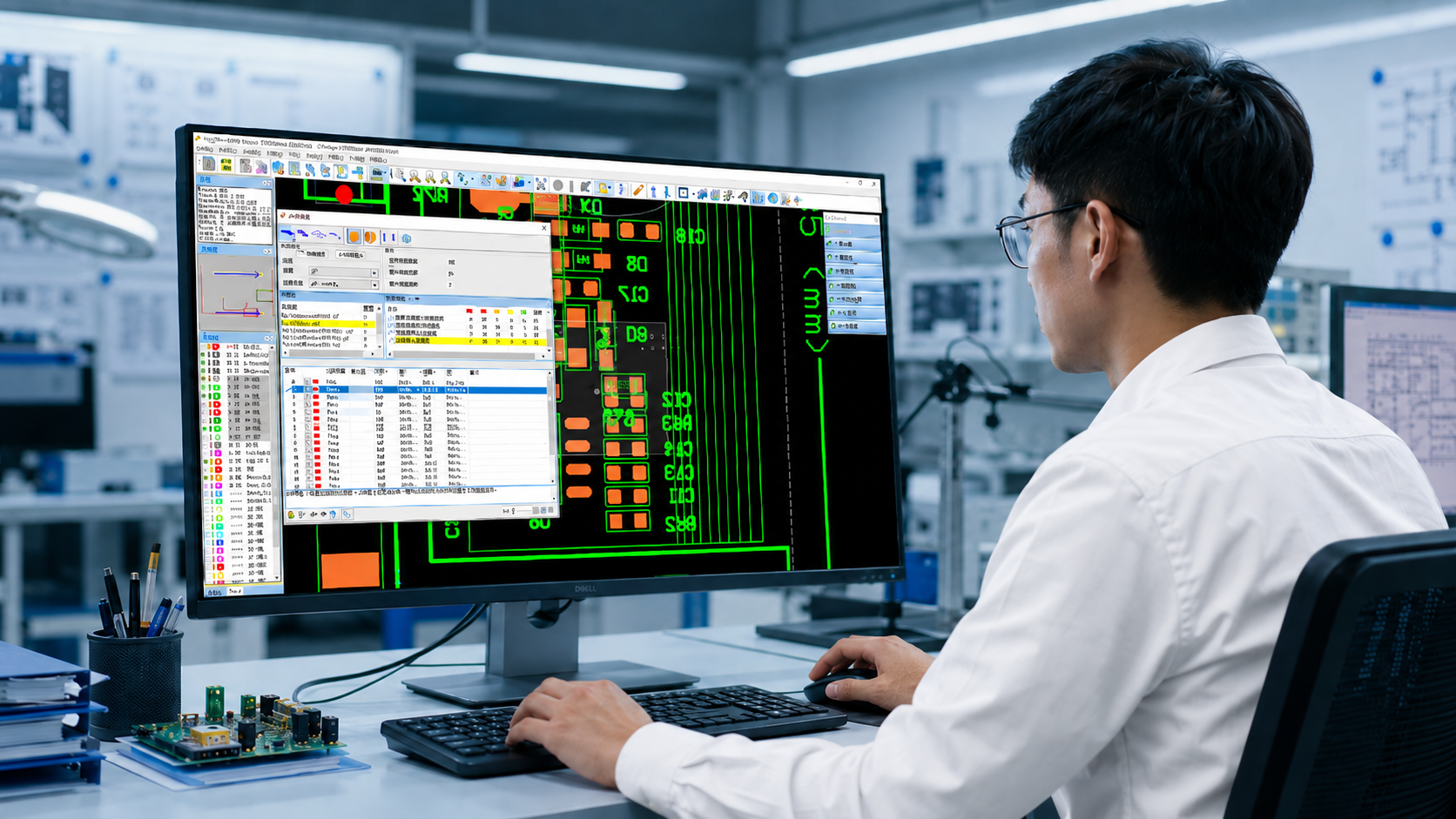
AI-DFM Analysis

Problem

Manual review is time-consuming and prone to miss risks.

Solution

AI-DFM auto-identifies risks and delivers report in 24 hours.

Result

Identify risks before volume production.

Input

Gerber, BOM, PCB specs

Output

DFM risk report

AI-DFM Analysis

AI-Assisted Supply Chain

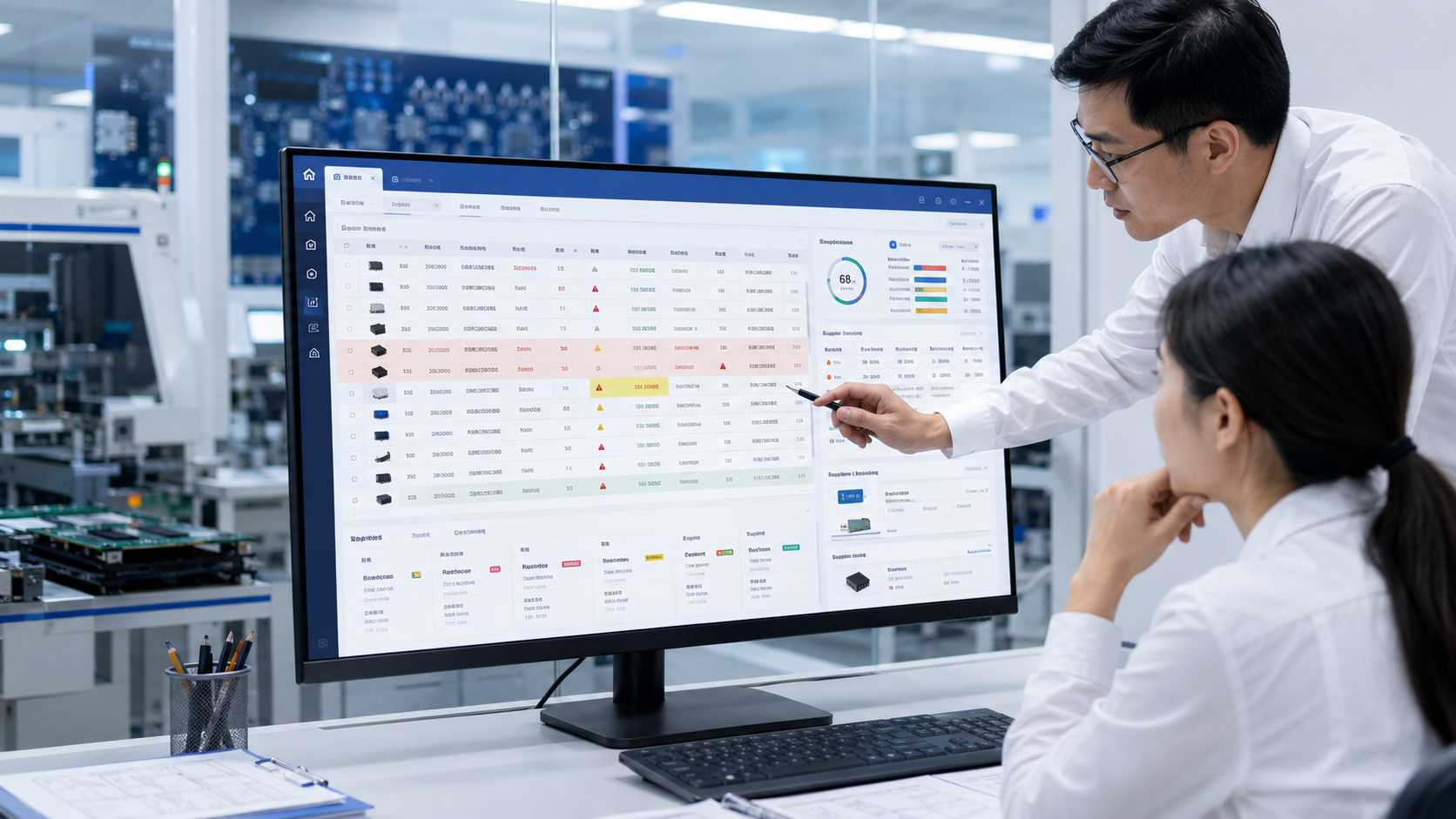
AI-BOM Analysis

Problem

BOM may contain alternate material risks and EOL warnings.

Solution

AI-BOM scans for risks and provides alternate suggestions.

Result

Reduce supply chain risk.

Input

BOM, supplier database

Output

BOM risk report

AI-BOM Analysis

AI-Assisted Manufacturing

AI-SMT Optimization

Problem

SMT parameters require repeated tuning.

Solution

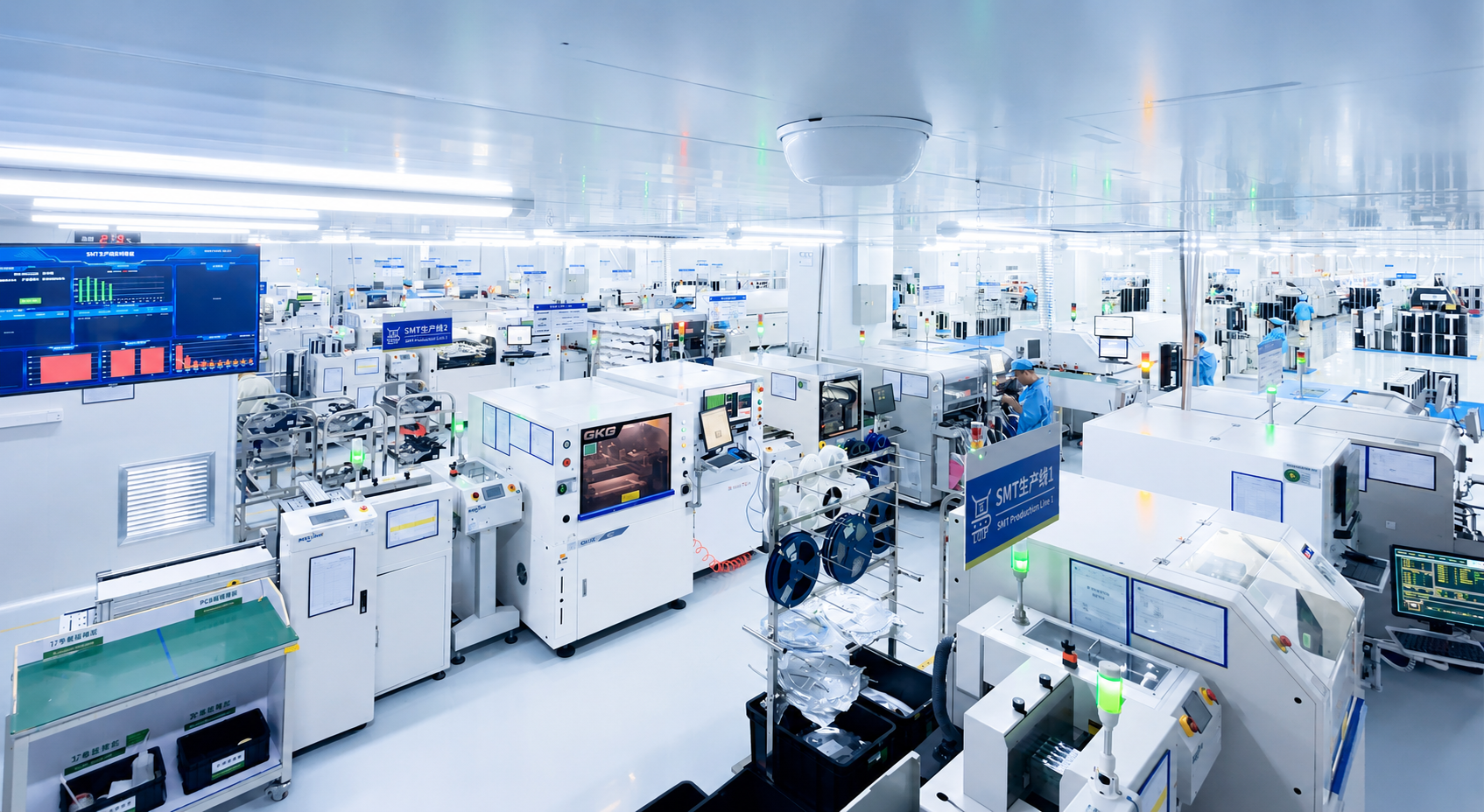
AI-SMT auto-optimizes reflow profiles and placement.

Result

Yield improvement, reduced rework.

Input

SPI/AOI/X-ray data

Output

Process optimization

AI-SMT Optimization

AI-Assisted Quality

AI-AOI Inspection

Problem

Manual inspection can be inconsistent and less efficient.

Solution

AI-AOI detects defects in <1s per board.

Result

Improved consistency, reduced defect escape risk.

Input

PCB images

Output

Defect report

AI-AOI Inspection

AI-Assisted Delivery

AI-MES Traceability

Problem

Traditional traceability is slow and incomplete.

Solution

AI-MES unit-level serialization, traceability in <2 minutes.

Result

Upgraded from recording to prevention.

Input

Production data

Output

Traceability report

AI-MES Traceability

Let Your R&D Materials Enter the Engineering Collaboration Process

If your project is still in the requirements, design, prototype or pilot stage, we recommend submitting existing materials first. The Keep Best team will combine AI-assisted engineering and engineer review to help you assess file completeness, HW/SW risks, BOM risks, test validation and next-step action paths.

Learn More About AI

AI across engineering, manufacturing, quality, and supply chain.

Submit RFQ for AI Evaluation

FAQ

About AI-Assisted Engineering

No. More precisely: Keep Best provides engineering collaboration, HW/SW risk identification, BOM advice, test planning and pilot production introduction recommendations based on customer requirements, design files, preliminary design options or prototype data. Full product design scope needs to be confirmed per project.

AI-assisted engineering is earlier-stage, covering requirements, hardware, software, components, test and pilot path. AI-DFM is a subsequent engineering entry point focusing on PCB design, assembly, placement, soldering and test point manufacturing risks.

Yes. When files are incomplete, the system and engineering team will first output a missing file list and recommend next steps: supplement files, engineering discussion, DFM application, or RFQ evaluation.

No. AI handles file recognition, experience matching and risk alert efficiency. Final engineering recommendations must be reviewed and confirmed by Keep Best engineering teams.

Shorter R&D communication cycles, earlier identification of HW/SW and manufacturing risks, fewer prototype iterations, and clearer understanding of the path from prototype to pilot to volume production.