
Engineering experience
Robot controller PCBA: assembly and dynamic functional test
A robot-arm controller needs to work during changing loads, not only pass a static connectivity check. This engineering example connects assembly protection with a dynamic functional-test approach.
Project at a glance
- Application
- Industrial robot-arm controller combining logic and power-drive functions.
- Operating challenge
- Start-stop operation and changing loads, with mechanical robustness and electrical response to consider.
- Work described
- Stencil design, nitrogen reflow, adhesive reinforcement, protective coating and dynamic functional testing.
- Verification described
- Representative robot loads, including step-load and pulse-current conditions; test data archived through MES.
This summary uses the published Keep Best engineering example. Customer identities and quantitative performance claims are not published here.
Product challenge
The operating challenge
The controller combined logic and power-drive functions in an industrial robot application. Start-stop operation and changing loads made both mechanical robustness and electrical response important.
Manufacturing and functional verification
Manufacturing work
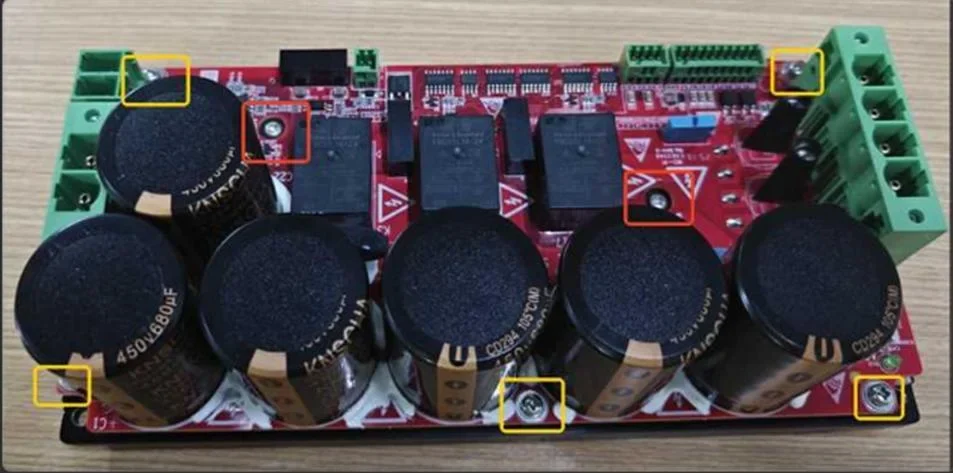
Stencil design and nitrogen reflow addressed the assembly process. Adhesive reinforcement and protective coating were included in the documented approach to component support and environmental protection.
Test work
Functional testing used representative robot loads, including step-load and pulse-current conditions. The work examined controller response and electrical behavior; test data was archived through MES in the documented program.
Process detail
How the work fits together
| Work package | Documented approach | Purpose |
|---|---|---|
| Assembly | Stencil and reflow definition | Build the logic and power sections under a controlled process |
| Protection | Adhesive reinforcement and coating | Define material, position, masking and inspection |
| Dynamic FCT | Step loads and pulse-current conditions | Verify the agreed operating behavior and record the result |
For a similar project
Prepare the engineering discussion
- Released BOM, board data and assembly drawings
- Product operating conditions and known failure concerns
- Firmware, interfaces, fixtures and test limits
- Expected quantities, destination and qualification needs
This account summarizes a company-documented engineering example. Customer identities and quantitative performance claims are not published here.
Start a conversation
Discuss a similar engineering challenge
Tell us what you need to build or the question you would like to discuss. Our team will help define the next step.
We can sign a non-disclosure agreement before discussing sensitive designs. Your project information and files are handled confidentially.