
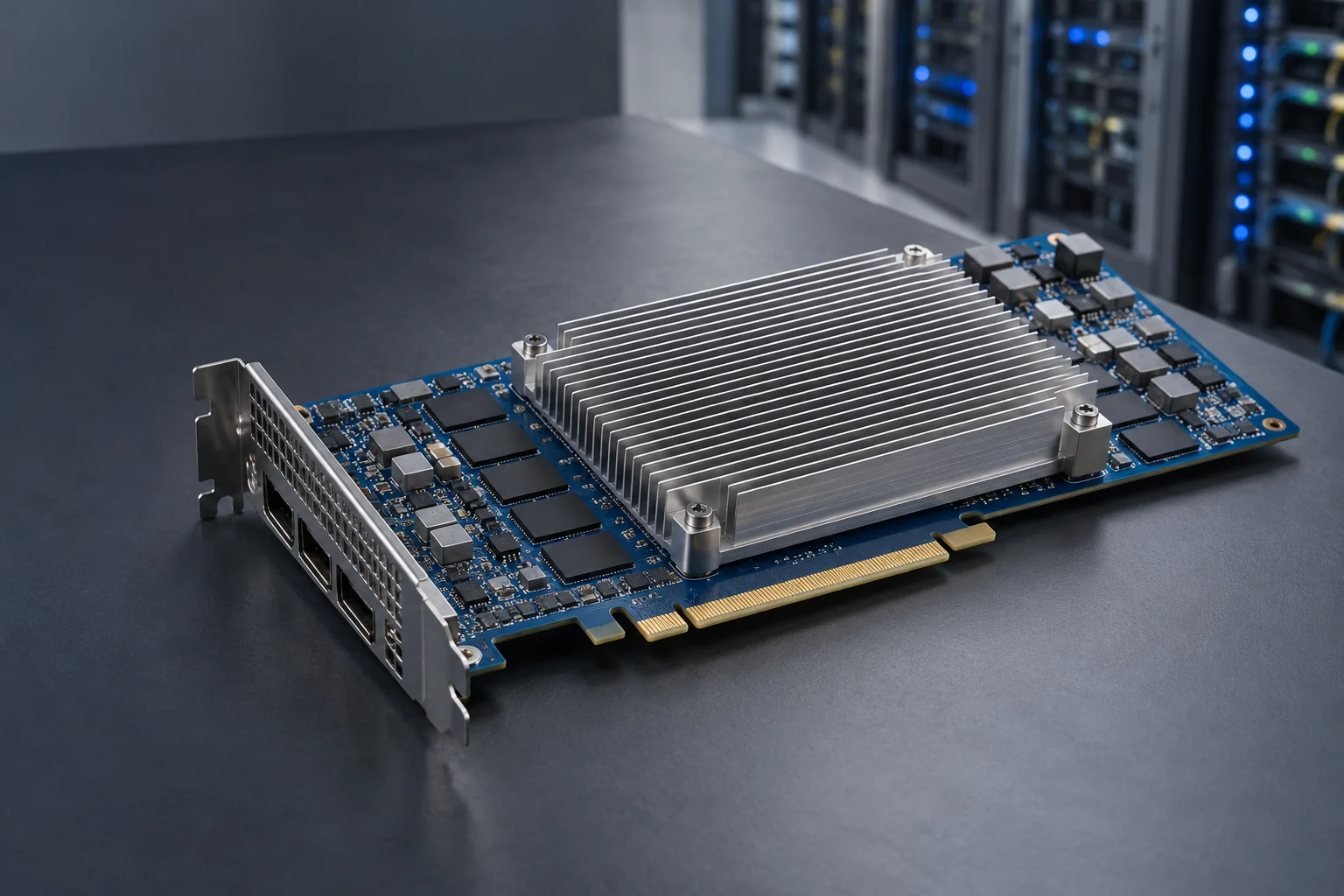
Industries · AI & High-Performance Computing
High-density PCBA planning for AI computing hardware
AI and high-performance-computing boards can concentrate package density, BGA inspection, stencil, reflow, sourcing, thermal and test-access risks. Keep Best reviews the released design and project requirements before defining an assembly and evidence plan. The page does not claim computing performance or universal dense-board feasibility.
Product context
Where ai and high-performance computing projects fit.
The page focuses on dense assembly, component risk, thermal interfaces and functional evidence without claiming generic sector outcomes.
- Dense packages and placement constraints in the released design
- Stencil, reflow and inspection questions listed for review
- Sourcing and thermal context stated as inputs
- No computing-performance or feasibility promise
Risk to decision
Translate product risks into manufacturing questions.
Density, sourcing and thermal-interface controls
| Risk topic | Your project inputs | How it is reviewed | Its boundary |
|---|---|---|---|
| Package density | Layout, pitch and termination types | Stencil, reflow and inspection review | No universal dense-board feasibility |
| Sourcing exposure | High-value or constrained parts on the BOM | Availability and alternates review | No supply assurance without approval |
| Thermal context | Operating environment and cooling assumptions | Reviewed as assembly inputs | Thermal-design responsibility follows the agreed work package |
| Test access | Probe and inspection access in the design | Method applicability per area | Coverage is defined per project |
Product risks
Assembly considerations for dense computing hardware
What dense computing boards make harder to build and prove.
Supporting context
- Dense-board assembly context from the case record
- Imagery shows application context, not customer results
- Feasibility for your board follows the review
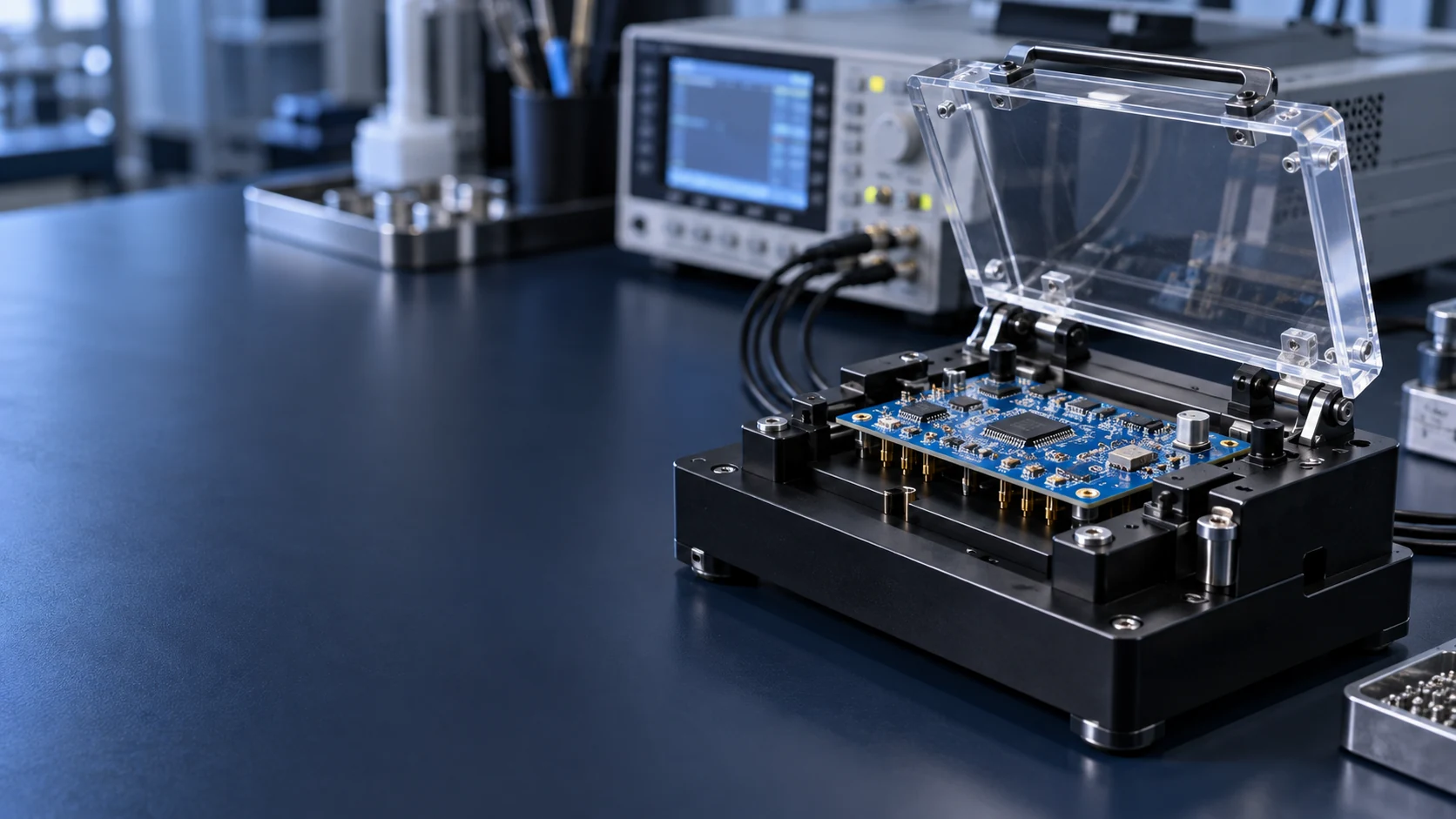
Relevant EMS path
Connect density risks to the work packages.
Design review, sourcing, assembly planning and evidence are sequenced around this board.
Design review
Density, stencil and reflow questions from the released layout
Sourcing check
Constrained parts and alternates reviewed
Assembly planning
Placement and inspection points agreed
Evidence plan
Records defined for the risks that matter
Evidence implications
Define dense-board inspection and test around the program.
Density relevance does not establish feasibility or coverage.
Planning route
Continue into the dense-board evidence and services.
The dense-board example, assembly route and evidence chain.
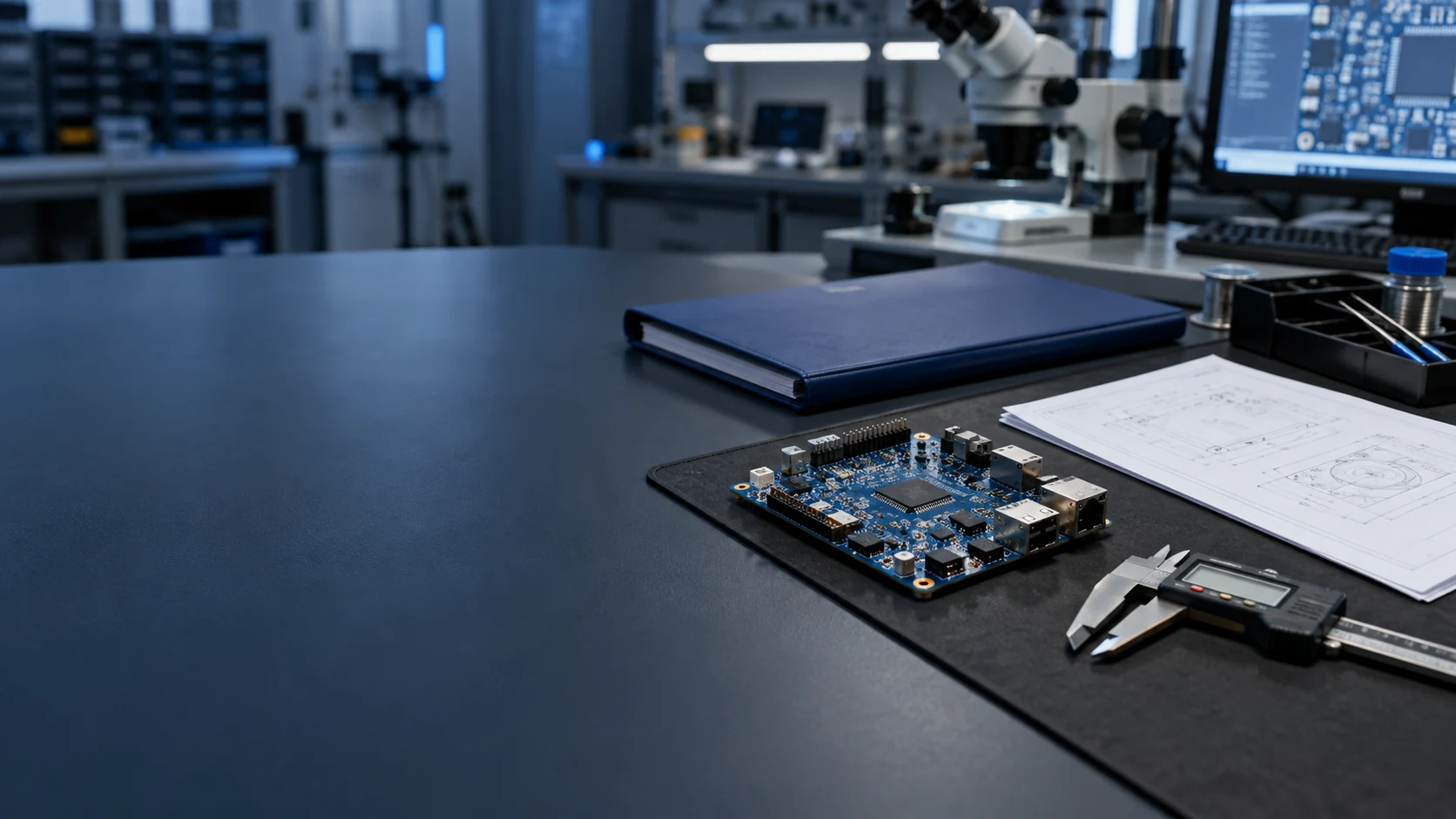
Featured
Review the related case example, the sourcing and assembly routes and the quality evidence chain.
- A dense-board case with its conditions attached
- Sourcing and assembly routes for dense hardware
- Quality evidence for the records you need
Dense-board questions
Questions dense-board programs raise.
Feasibility answers come from your released design, not from this page.
Can very dense BGA boards be assembled?
How are hidden joints inspected?
Who handles scarce or high-value components?
Start a conversation
Discuss a dense computing PCBA project
Tell us what you need to build or the question you would like to discuss. Our team will help define the next step.
We can sign a non-disclosure agreement before discussing sensitive designs. Your project information and files are handled confidentially.