
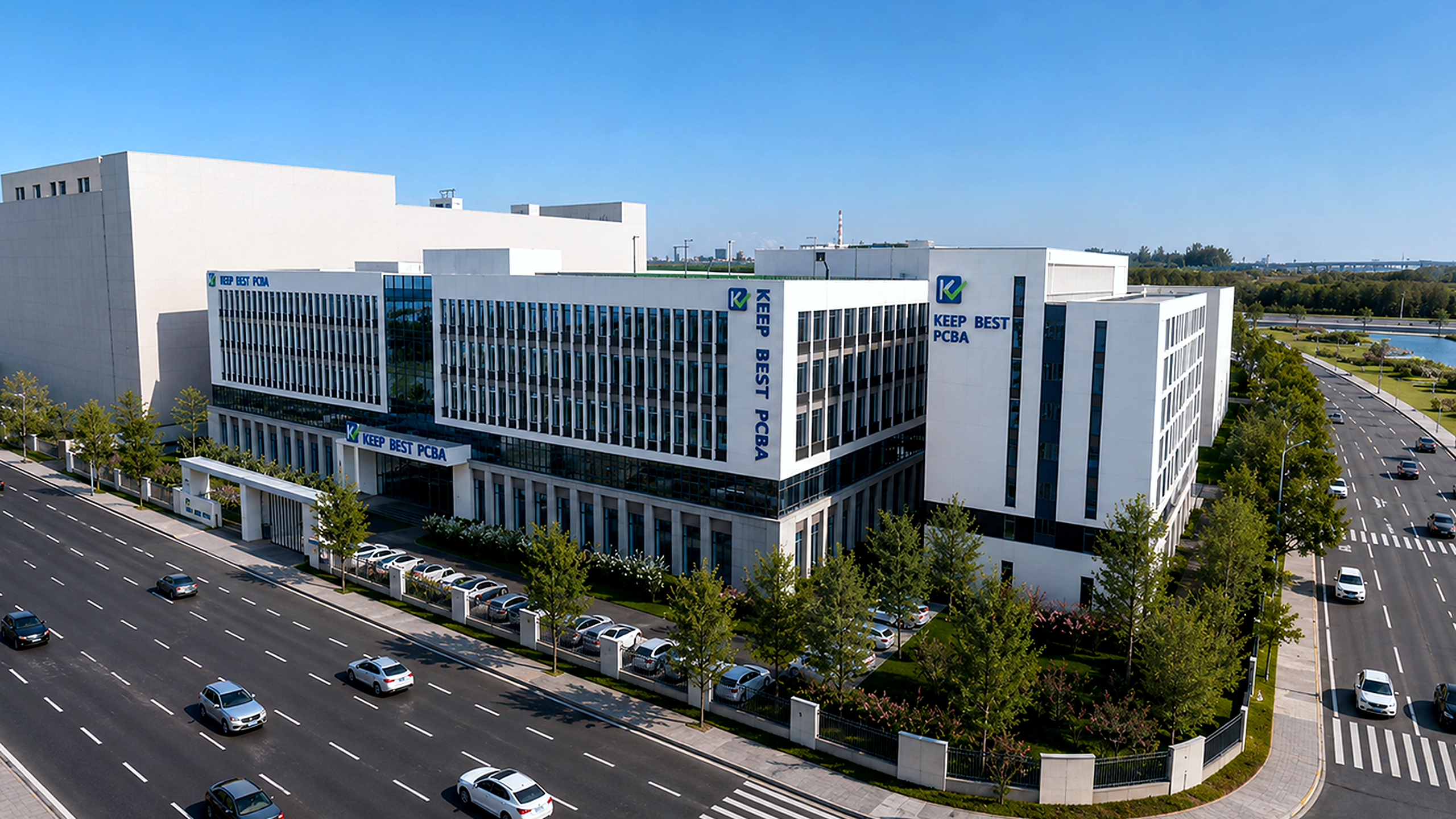
The SMT factory open day shows how solder paste printing, SPI, placement, reflow, AOI, X-ray and test data form a verifiable manufacturing loop. This article is for customer teams using webinars, factory open days or project reviews to understand PCBA launch details. The goal is not to add jargon, but to turn SMT factory open day into clear inputs, process controls and evidence.
Why this should be handled before production
In PCBA projects, many delays do not begin on the SMT line. They come from unclear inputs, unclassified risks and weak test boundaries. If SMT factory open day is handled only after pilot issues appear, the project usually absorbs extra rework, urgent communication and delivery uncertainty.
A better approach is to connect the topic with PCBA manufacturing services, DFM review, quality management and RFQ submission. This gives buyers and manufacturing teams one shared evidence base for decisions.
Risks buyers should identify
- visits focusing on equipment instead of data
- customers unable to judge process stability
- test and traceability disconnected
These risks do not automatically stop a project. They do require a clear treatment path before pilot or volume production. Buyers should ask which risks can be controlled by process settings and which require customer decisions on design, material or test requirements.
Recommended control actions
- show controls by process step
- explain critical parameters
- show test and traceability records
The controls should be tied to project milestones, not verbal promises. Confirm file completeness before quotation, close critical DFM issues before pilot production, and review test data and defect trends before volume release. The value of SMT factory open day is visible only when those milestones can be checked.
Evidence customers should request
- SPI/AOI records
- reflow profile
- MES traceability
Evidence may take the form of tables, reports, test records, images or project review notes. What matters is whether the evidence connects to a real lot, revision, process parameter or test result. Evidence that cannot be traced back to project facts has limited value for quality decisions.
Frequently Asked Questions
Is SMT factory open day only useful for high-volume projects?
No. Low-volume, high-value and high-reliability projects may need it even more because one rework event or one delivery abnormality can be more expensive than in a routine batch project.
When should these files be prepared?
Prepare them before RFQ when possible. Even if the file set is incomplete, early submission lets the engineering team identify missing items and priority risks.
What can Keep Best do next?
Customers can submit project files first. Keep Best engineers will review risks related to SMT factory open day, then provide DFM, BOM, testing or pilot-build recommendations for quotation and launch planning.
If your project is preparing for launch, start with submit PCBA RFQ or contact engineering support and share files, target quantity and delivery goals.