Direct Answer
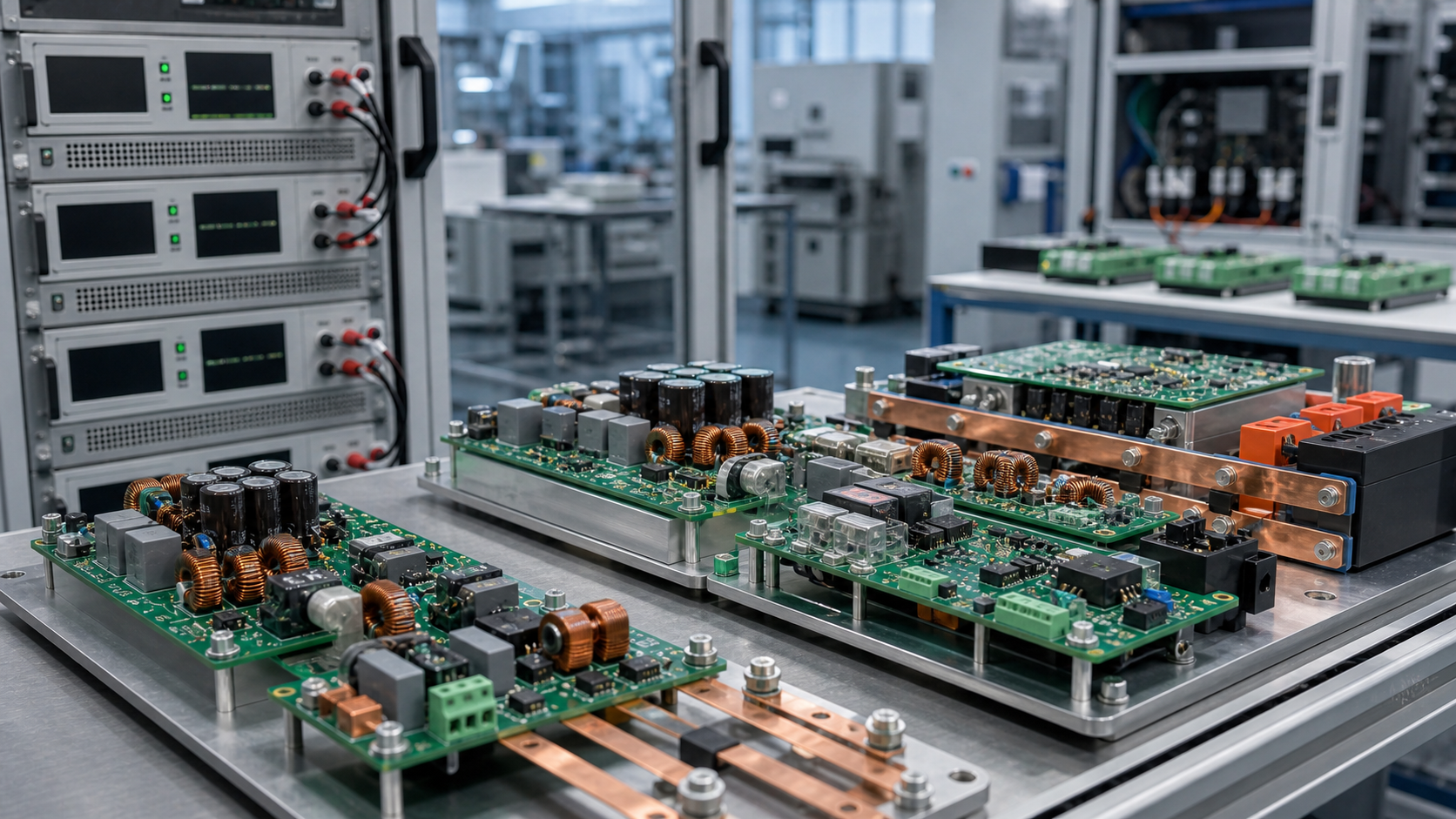
PCB for renewable energy refers to circuit boards and assemblies used in solar inverters, battery storage, wind control systems, chargers, monitoring equipment, and related power electronics. Buyers should focus on reliability under heat, humidity, vibration, current load, and long operating life.
Why Buyers Should Confirm This Early
Renewable energy electronics often operate in harsh or semi-outdoor environments. A board that passes prototype testing can still fail in volume if creepage, clearance, thermal rise, coating, connector strain, or component sourcing risk is not controlled.
Buyer Checklist
| Check area | Buyer risk | Evidence to request | | --- | --- | --- | | Power and spacing | High voltage and current need safe layout control. | Creepage, clearance, copper, and stack-up review | | Thermal design | Power conversion creates heat over long duty cycles. | Thermal path, copper weight, and temperature rise data | | Environmental protection | Humidity, dust, and vibration affect field life. | Coating, cleaning, and mechanical support plan | | Supply continuity | Long-life systems need stable component sourcing. | BOM risk review and approved alternate plan |
RFQ Questions to Ask
- What voltage, current, thermal rise, and environmental assumptions should the supplier design around?
- How will creepage, clearance, copper weight, and heat path be checked during DFM?
- Is conformal coating, selective coating, cleaning, or potting required?
- How will BOM lifecycle risk and replacement parts be managed for long-term supply?
Supplier Red Flags
- The quote gives unit price and lead time but does not define material, process, inspection, and test boundaries.
- Alternates, rework, deviations, failed tests, and lot traceability do not have an approval path.
- First article release, in-process inspection, outgoing QA, and nonconforming material handling are unclear.
- Critical process promises are verbal rather than backed by a record template that can be returned with the shipment.
How KEEP BEST Connects the Work
For this type of project, buyers should connect PCBA manufacturing services、DFM engineering review、quality management、RFQ review workflow、component sourcing services、EV high temperature PCB guide in one review path so quotation, engineering, quality, and delivery evidence stay aligned.
Practical Recommendation
For renewable energy PCB sourcing, ask the supplier to review electrical spacing, thermal design, environmental protection, and BOM risk together. These areas decide whether the board can survive beyond pilot builds.
FAQ
Which renewable energy products use these PCBs?
Common examples include solar inverters, battery management systems, energy storage controllers, chargers, and monitoring modules.
Is heavy copper always required?
Not always. The decision depends on current, temperature rise, board size, and the full thermal path.
What is the main sourcing risk?
The main risk is treating a long-life power electronics assembly like a short prototype run without BOM and reliability planning.